7 Jun 2026
Weaving Emotional Threads: Screenwriters Shaping Subtext in Postwar Film Noir
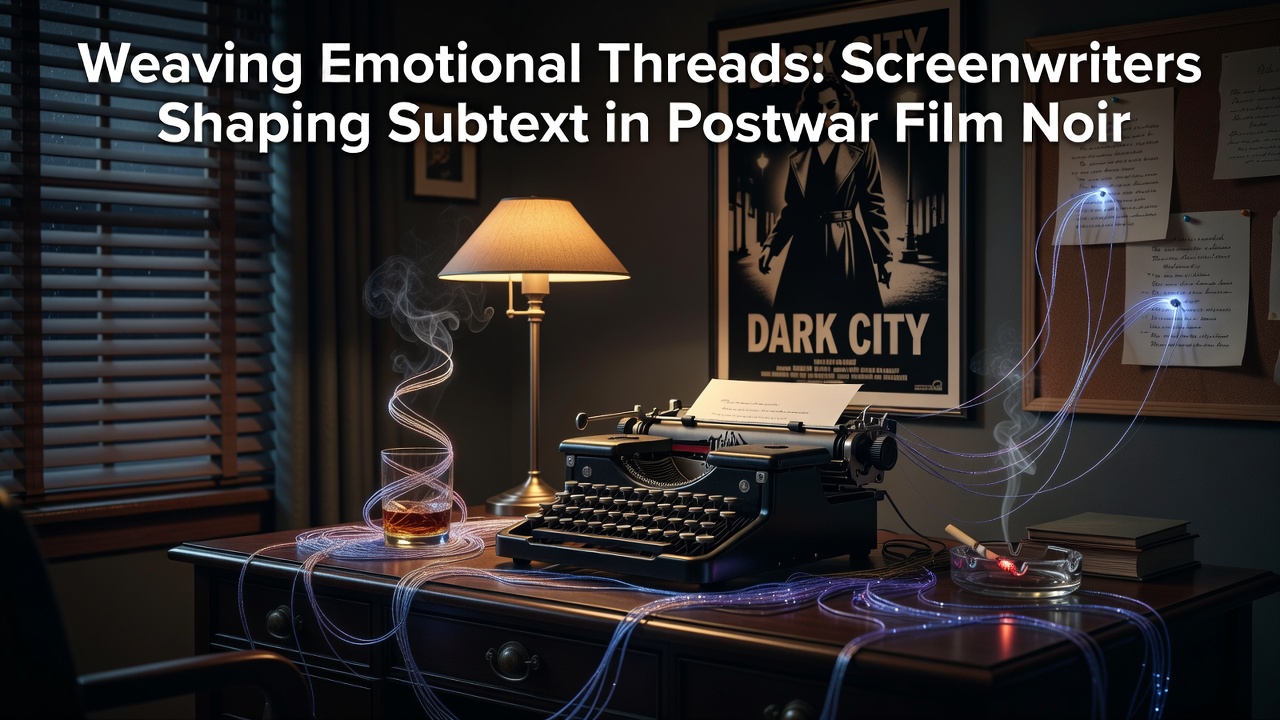
Postwar film noir developed in the late 1940s and early 1950s as American cinema grappled with the disillusionment of returning soldiers, economic uncertainty, and shifting social norms, while screenwriters crafted narratives that relied heavily on subtext to convey emotional depth and cultural critique. These writers embedded unspoken tensions around morality, gender roles, and existential despair into dialogue and structure, allowing audiences to infer meanings that censors or studio heads might otherwise have flagged. Researchers at institutions like the American Film Institute have documented how this approach distinguished noir from earlier genres, turning scripts into layered texts where surface plots about crime masked deeper explorations of human frailty.
Techniques for Embedding Subtext
Screenwriters in this era often used indirect dialogue, visual metaphors, and character interactions that hinted at psychological states without direct exposition, and they drew from hard-boiled literature traditions while adapting them for the screen. For instance, conversations loaded with double meanings allowed characters to discuss criminal schemes while alluding to personal betrayals or societal hypocrisies, creating a sense of unease that permeated the entire film. Observers note that this method proved especially effective in an industry constrained by the Hays Code, since subtext provided plausible deniability for provocative themes such as adultery or corruption in authority figures. Data from film preservation archives shows that scripts from this period frequently underwent multiple revisions precisely to refine these veiled elements, ensuring the emotional threads remained intact yet invisible to casual viewers.
One notable strategy involved the integration of voiceover narration that revealed a character's inner conflicts only after visual scenes had already suggested them, and this technique let writers like those behind key 1940s productions build irony between what was said and what was shown. Studies from European film centers, including the British Film Institute, indicate that such methods influenced international noir variants by demonstrating how subtext could travel across cultural boundaries while retaining its core power to unsettle audiences.
Case Examples from Key Productions
Take the collaboration on films such as those adapted from Raymond Chandler novels, where screenwriters transformed detective stories into examinations of postwar alienation through carefully chosen metaphors about rain-soaked streets and flickering neon signs that symbolized fading hope. In these works, female characters often embodied ambiguous moral positions that subtextually critiqued traditional domestic ideals, and researchers have traced how dialogue exchanges conveyed power dynamics without overt confrontation. There's this case where experts found that a single line of seemingly innocuous banter could encapsulate an entire backstory of loss or betrayal, allowing the narrative to advance while deepening emotional resonance.
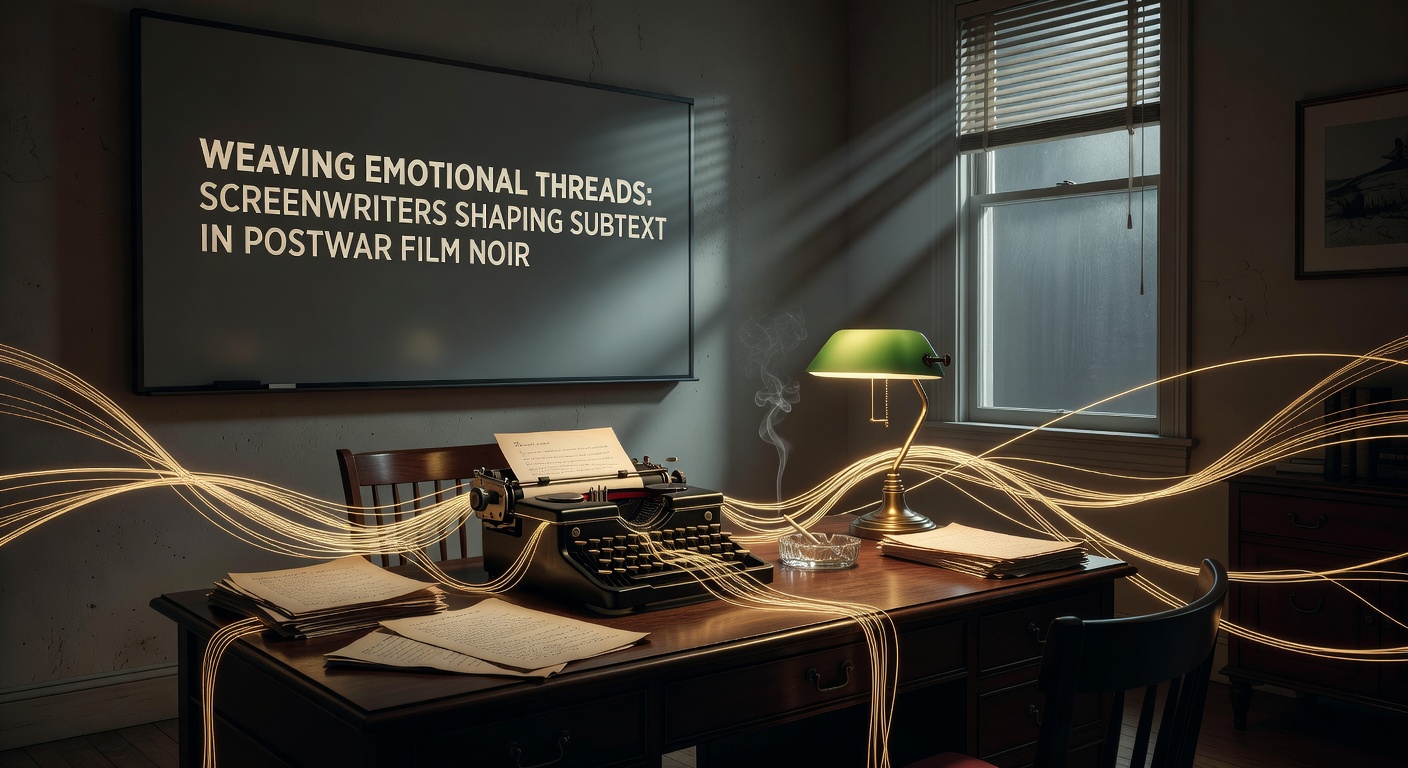
Another example appears in productions involving writers who drew from real wartime experiences, weaving references to displaced persons and black markets into crime plots that stood in for broader societal fractures. Those who've studied these scripts know that the writers balanced explicit action sequences with pauses and glances that carried the emotional weight, and this balance kept the stories commercially viable while satisfying artistic ambitions. In June 2026, several archives plan retrospective screenings that highlight these script elements, giving new generations access to the original drafts that reveal the deliberate construction of subtext.
Legacy and Broader Influence
The approaches developed by postwar noir screenwriters extended beyond their immediate era, informing later generations of filmmakers who adopted similar indirect storytelling methods in genres ranging from thrillers to dramas. Academic analyses from universities across North America and Australia reveal that subtext became a hallmark of auteur-driven cinema partly because these early experiments proved its effectiveness in engaging viewers intellectually and emotionally. Yet the writers themselves often worked without credit or recognition at the time, their contributions emerging only through later scholarly examination of production notes and correspondence.
What's significant is how these techniques reflected and shaped public discourse on topics like urban decay and personal accountability, since the films reached wide audiences through standard distribution channels. Government film records from the period document the box office performance of such titles, underscoring their cultural penetration even as the subtext operated beneath the surface.
Conclusion
Screenwriters of postwar film noir established enduring methods for conveying complex emotions through implication rather than declaration, and their work continues to serve as a reference point for narrative construction in cinema. The combination of historical context, creative constraints, and literary influences produced scripts that reward repeated viewings, with each layer of subtext revealing new insights into the human condition. As restorations and academic studies advance, the full extent of these contributions becomes clearer, confirming the writers' central role in defining an entire cinematic movement.