24 Jun 2026
Tracking Audience Interaction Data Across Modern Film Distributions
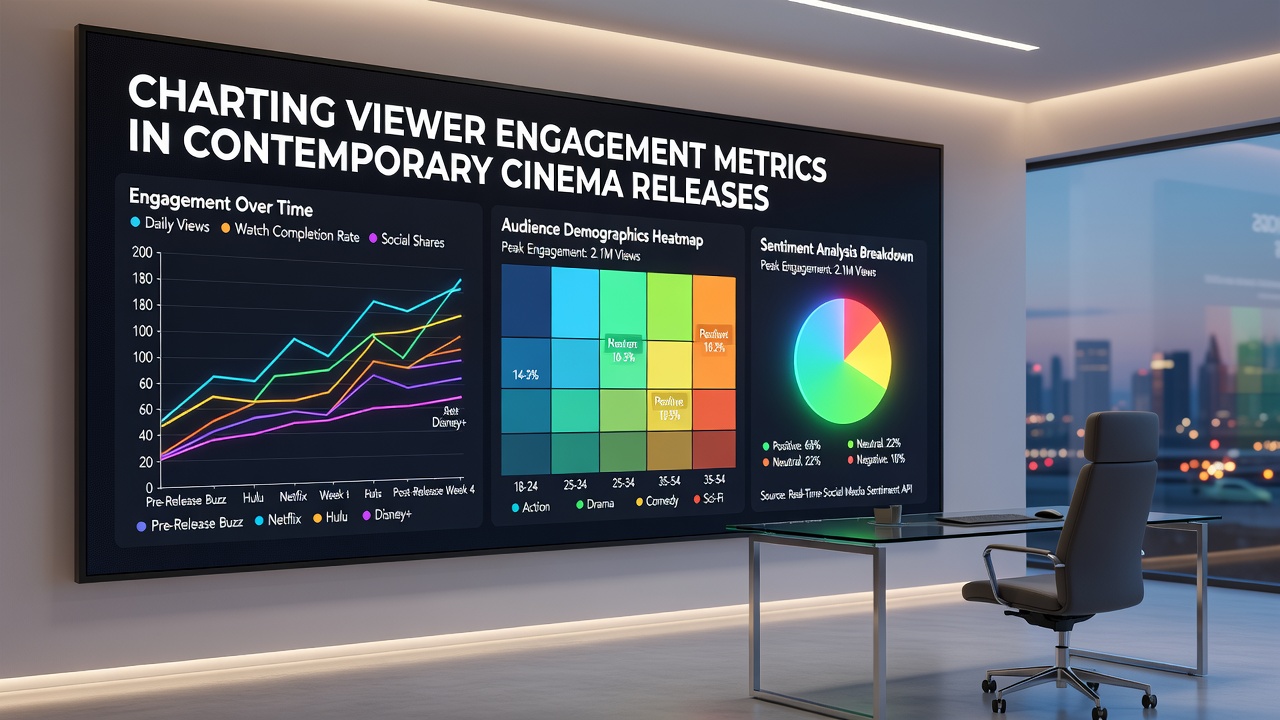
Contemporary cinema releases generate vast amounts of viewer interaction data that production companies and distributors analyze to understand audience behavior, and researchers track these patterns through a combination of theatrical attendance figures, streaming platform metrics, and social media activity. Studios collect information on completion rates, pause frequency, and rewatch indicators while distributors monitor social mentions and demographic breakdowns to refine future marketing approaches.
Core Metrics Used in Engagement Analysis
Analysts focus on several key indicators when charting viewer engagement, including average watch time per session, drop-off points during screenings, and post-viewing search volume for related content. Data from major platforms shows that films with strong opening weekends often maintain higher retention curves in subsequent weeks, whereas titles relying on word-of-mouth marketing exhibit slower but steadier engagement growth over longer periods. By June 2026, reports from the European Audiovisual Observatory indicated that cross-platform tracking tools had become standard for measuring how audiences move between theatrical viewings and home streaming options.
Researchers at institutions like the University of Melbourne have examined how geographic variations affect these numbers, noting that urban markets tend to show higher repeat viewing rates compared to suburban areas where single-viewing patterns dominate. Engagement also correlates with release timing, as summer blockbusters accumulate different interaction profiles than awards-season dramas that build momentum through festival circuits and targeted campaigns.
Data Collection Methods and Tools
Modern tracking relies on integrated software systems that combine point-of-sale data from theaters with backend analytics from streaming services, creating unified profiles of audience journeys across multiple formats. These systems record precise timestamps for user actions such as rewinding scenes or skipping credits, which production teams then review to identify which sequences hold attention most effectively. Industry groups such as the Canadian Media Producers Association have documented how smaller independent distributors adopt similar tools to compete with larger studios that maintain proprietary dashboards.
Third-party services supplement internal measurements by aggregating public data from review sites and social platforms, allowing observers to correlate critical reception with actual viewing duration statistics. One case involved a 2025 release where spikes in online discussion directly preceded measurable increases in second-weekend attendance across several territories.
Regional Patterns and Industry Applications
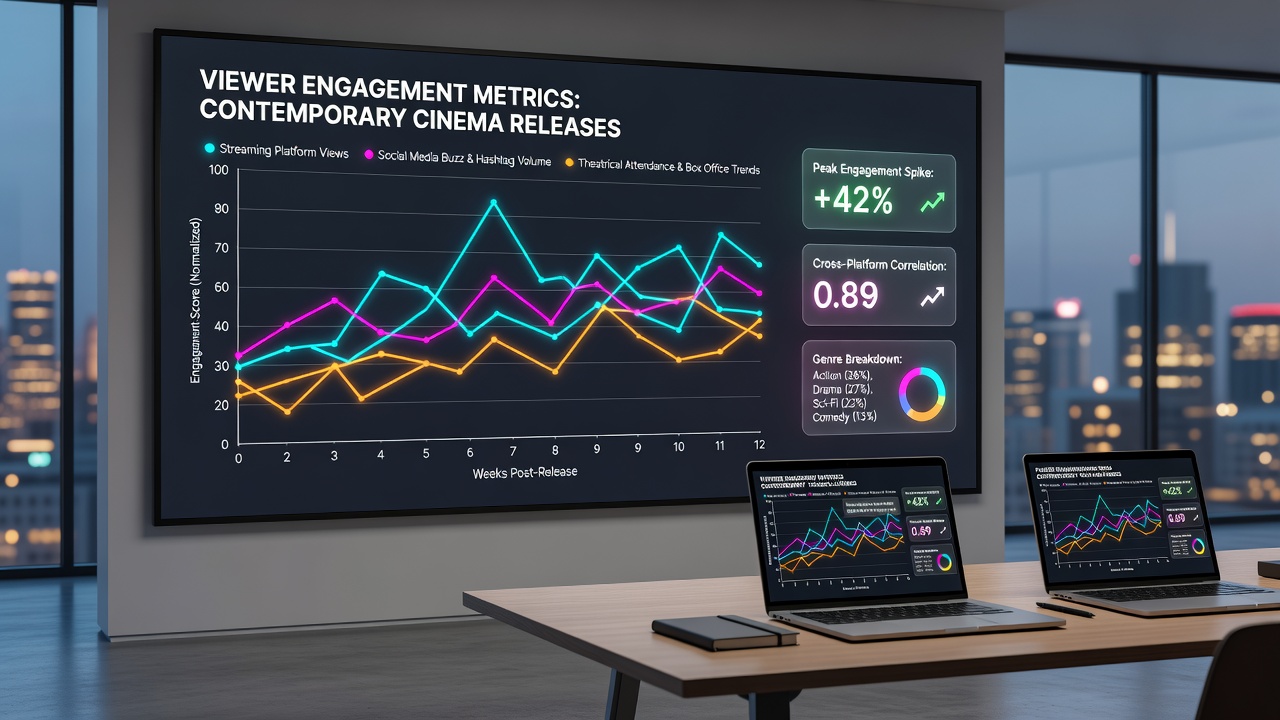
Engagement data reveals distinct regional differences, with Asian markets often demonstrating stronger social sharing activity around opening weekends while European audiences display more consistent long-term streaming retention. Australian government cultural agencies have funded studies that map these variations to inform local content investment decisions, highlighting how genre preferences shift engagement profiles across different population groups. Distributors apply these insights when deciding on dubbed versus subtitled releases or when adjusting advertising spend based on early interaction signals.
Production companies adjust editing and pacing during post-production once preliminary test screenings generate initial metric feedback, and marketing departments use real-time dashboards to shift promotional focus toward platforms where engagement remains highest. This feedback loop operates continuously as new releases enter the market and older titles accumulate additional viewing data over time.
Conclusion
Viewer engagement metrics continue to shape decision-making processes throughout the contemporary cinema landscape as companies refine their approaches based on accumulating evidence from multiple data sources. These measurement systems provide objective benchmarks that help align creative choices with observed audience behaviors across theatrical and digital channels.