17 Jul 2026
The Quiet Power of Off-Screen Sound Design in Building Suspense for Mystery Thrillers
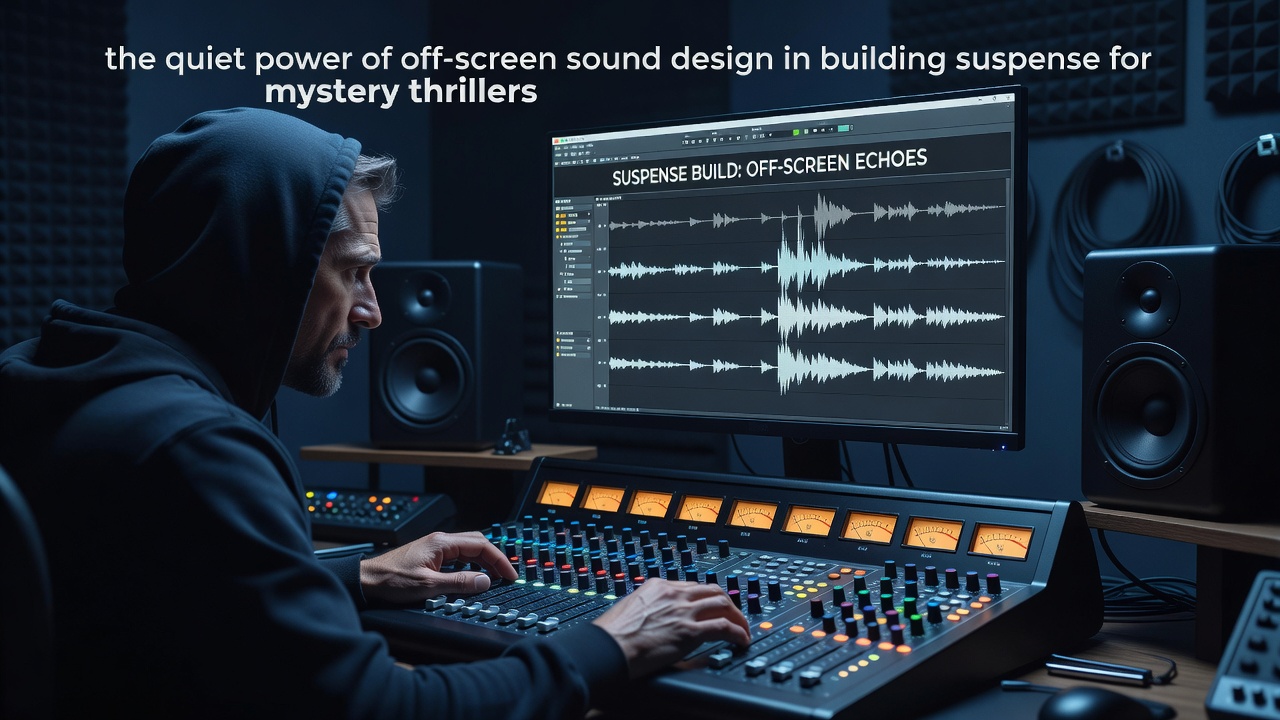
Off-screen sound design shapes suspense in mystery thrillers through auditory cues that audiences hear but never see directly on screen, and this approach has defined narrative tension across decades of cinema. Directors and sound teams rely on these elements to imply unseen threats or hidden details while the camera stays fixed on visible action or characters reacting to events just beyond the frame. Research from academic institutions shows that such techniques engage viewer imagination more actively than visual reveals alone since the brain fills in missing information based on familiar or ambiguous noises.
Sound designers create layers of ambient tracks, foley effects, and musical stingers that originate from outside the shot to establish unease without immediate explanation. In classic examples from Alfred Hitchcock films, footsteps echoing in corridors or distant door creaks signal approaching danger while the protagonist remains unaware in frame. Modern productions continue this practice by recording specific environmental sounds in controlled studios then placing them strategically during post-production to heighten anticipation before any visual confirmation occurs.
Core Techniques Behind Off-Screen Audio Cues
Teams build suspense by manipulating volume, pitch, and timing of sounds that suggest movement or presence without showing the source. A low rumble from an adjacent room can imply structural instability or an approaching figure, while high-frequency whispers or scratches draw attention to potential eavesdroppers or hidden observers. Data from film studies at universities in Canada indicate that these auditory signals trigger physiological responses such as increased heart rate even when visuals remain static or neutral.
Another method involves overlapping sound bridges across scene transitions so that audio from an unseen location carries over into the next shot and creates continuity of threat. Observers note that this technique appears frequently in thrillers where characters search empty houses because creaking floorboards or dripping water heard before the cut maintain momentum into the following sequence. Production records reveal that sound editors often record multiple takes of the same effect at varying distances to allow precise control over perceived proximity during mixing sessions.
Application in Key Mystery Thriller Sequences
One study revealed that films employing heavy off-screen sound achieve sustained viewer engagement during extended quiet periods because audiences remain alert for the next auditory clue. In sequences involving locked rooms or isolated settings, designers introduce irregular breathing patterns or fabric rustles from beyond walls to suggest surveillance or pursuit without revealing identities. These choices align with findings from European research centers that link spatial audio placement to heightened narrative immersion.
Case examples include thrillers where rain sounds intensify off-screen during confrontations to mask approaching footsteps, or where telephone rings interrupt silence from another part of the building to signal incoming information or warnings. Sound crews coordinate these elements with picture editors so that the timing matches character reactions and avoids premature reveals. Figures from industry reports show increased use of such layered audio in productions released after 2020 as streaming platforms demand content that sustains attention across multiple viewings.
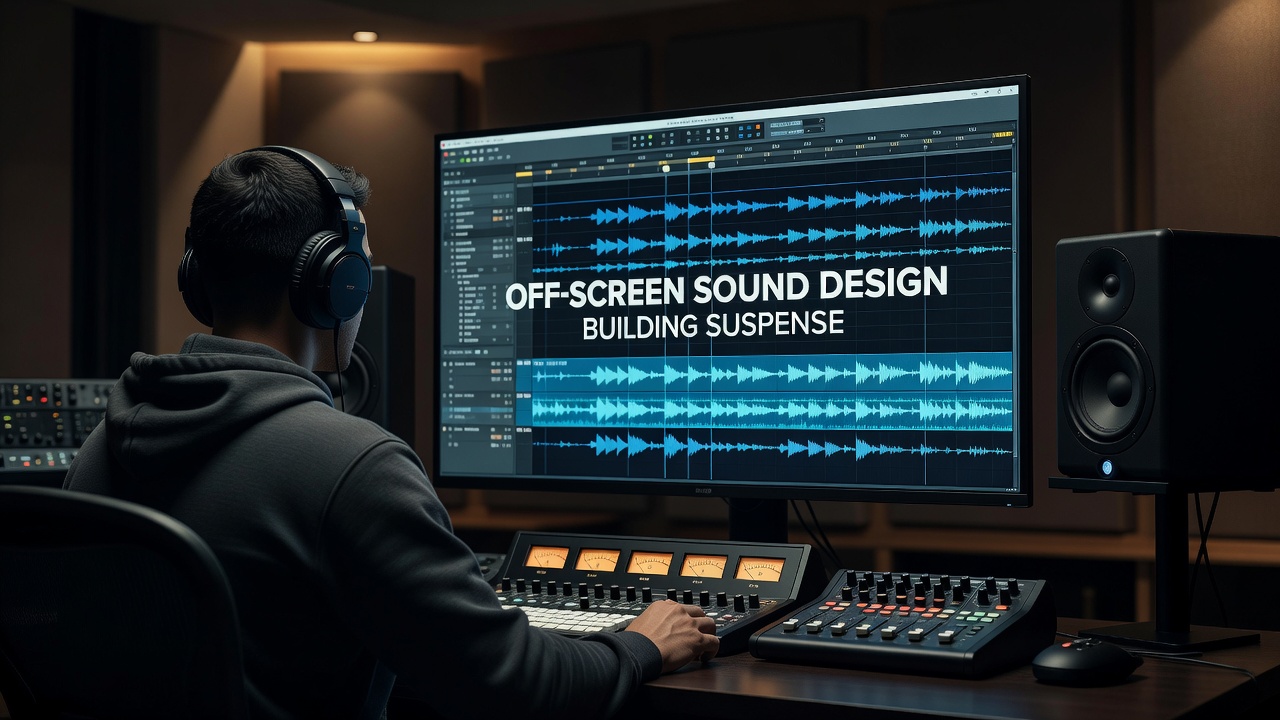
Designers also employ silence punctuated by sudden off-screen impacts to reset tension levels midway through acts. A door slamming in the distance after minutes of quiet can jolt both characters and viewers into renewed alertness, and this pattern repeats across many scripts to structure pacing. Those who have analyzed thriller soundtracks note that the absence of expected sounds can prove equally effective when combined with visual misdirection such as empty hallways or closed doors.
Training programs at film schools emphasize recording authentic location audio as source material before processing it digitally to fit specific narrative needs. This practice ensures that off-screen effects retain enough realism to support suspension of disbelief while remaining flexible enough for creative manipulation in the mix. Reports from the Australian Centre for the Moving Image highlight how regional production teams adapt these methods to local environments by incorporating unique ambient textures that enhance cultural specificity in international releases.
Technical Evolution and Current Practices
Advances in surround sound systems have expanded possibilities for off-screen audio placement since channels allow designers to position effects behind or beside the audience. Engineers now route specific tracks through rear speakers to simulate sounds originating from outside the theater space itself, which extends the diegetic world beyond the screen boundaries. Data collected by academic researchers in the United States demonstrates measurable differences in audience attention metrics when comparing mono versus multi-channel implementations of the same scene.
Collaboration between directors, composers, and sound supervisors occurs earlier in pre-production for recent projects to integrate musical motifs with environmental effects seamlessly. This integrated approach prevents clashes during final mixing and allows off-screen elements to reinforce thematic motifs without overpowering dialogue. Production schedules in 2026 continue to allocate dedicated weeks for sound spotting sessions where teams identify every opportunity for auditory implication rather than direct visual storytelling.
Conclusion
Off-screen sound design remains a foundational tool for constructing suspense in mystery thrillers because it leverages audience psychology and technical precision in equal measure. Teams across different regions refine these methods through ongoing experimentation and collaboration with academic partners, while distribution platforms provide new outlets for films that prioritize auditory storytelling. The approach continues to evolve alongside exhibition technologies yet retains its core function of guiding viewer attention through implication rather than explicit display.