17 May 2026
The Hidden Hands Behind Frame: How Set Decorators Quietly Defined the Everyday Realities of 1960s Kitchen Sink Dramas
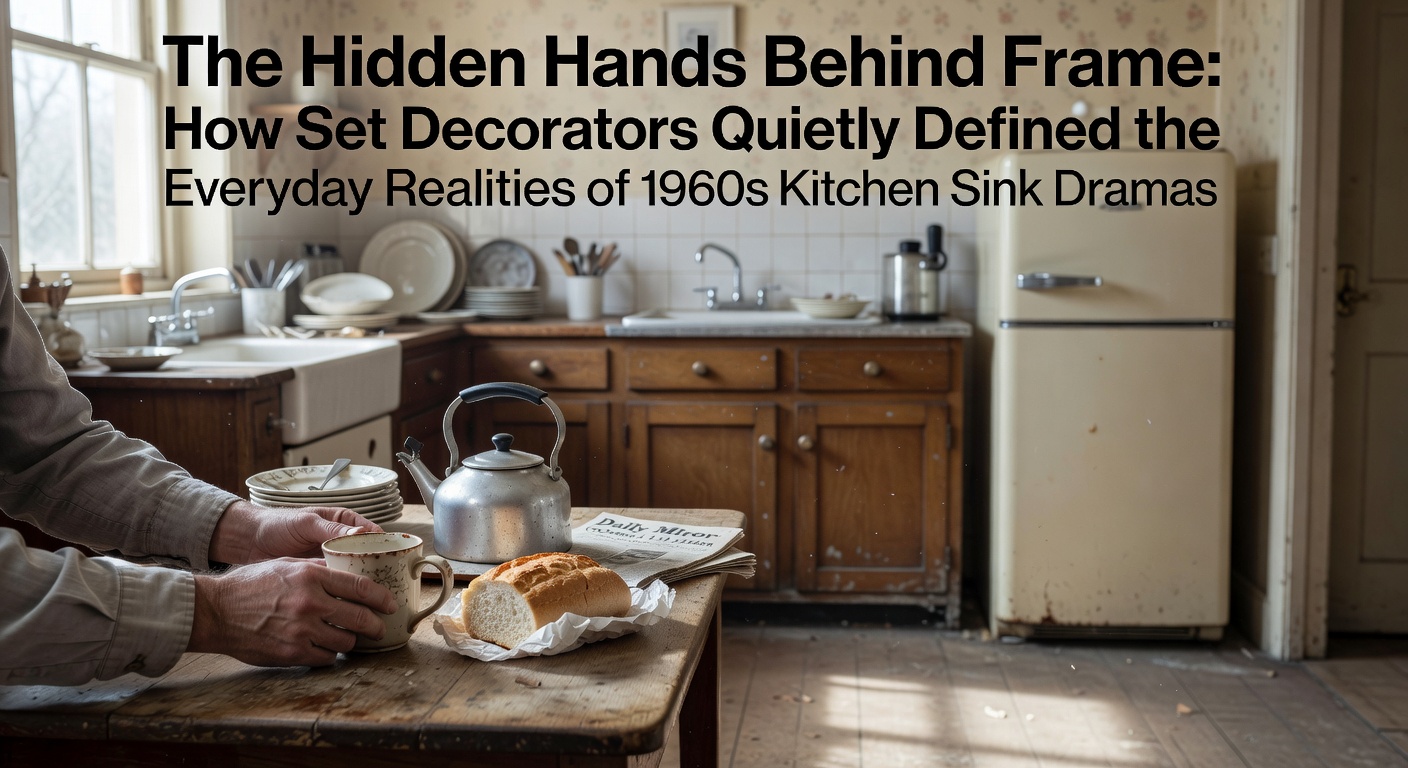
Set decorators in 1960s British cinema operated behind the camera to construct the cluttered living rooms, cramped kitchens and worn industrial spaces that anchored kitchen sink dramas in recognizable social realities and those productions drew from post-war working class experiences across northern England and London.
Films such as Saturday Night and Sunday Morning from 1960 and A Taste of Honey from 1961 relied on precise selections of wallpaper patterns, mismatched furniture and everyday household objects to convey economic constraints while researchers note that these choices emerged from close collaboration between directors and art departments at studios like Woodfall Films.
Roots of Authenticity in Post-War Britain
Kitchen sink dramas developed after the 1959 release of Look Back in Anger and expanded through the early 1960s as filmmakers shifted away from studio gloss toward location based stories and set decorators sourced items from second hand shops and local markets to replicate terrace houses and factory floors with measurable accuracy.
Data from production records at the British Film Institute shows that teams often spent weeks cataloging domestic items including enamel cookware, faded linoleum flooring and coal fired stoves because these elements helped establish character backgrounds without relying on dialogue alone.
Observers have documented how decorators avoided anachronistic props by cross referencing period photographs and oral histories from residents in cities like Nottingham and Salford and this approach created visual continuity that aligned with the social realist goals of directors including Tony Richardson and Karel Reisz.
Techniques That Shaped On Screen Environments
Set decorators combined practical location work with constructed sets in sound stages and they layered dust on surfaces, selected faded curtains and positioned family photographs to reflect generational living conditions while evidence from archive interviews indicates that such layering took multiple days per scene.
One decorator who contributed to The Loneliness of the Long Distance Runner in 1962 later described sourcing identical gas meters and pub ashtrays from demolition sites and those decisions reinforced the sense of entrapment central to the narrative.
What's interesting is that the process extended beyond furniture placement because decorators coordinated with lighting crews to ensure shadows highlighted wear on upholstery and peeling paint and this integration produced a textured realism that distinguished these films from earlier British productions.
Case Studies From Key Productions
Take the 1963 film This Sporting Life where set decorators recreated rugby club locker rooms and modest terrace kitchens using actual equipment borrowed from local teams and production notes reveal that the team documented every item to maintain consistency across multiple shooting days.
Similarly A Kind of Loving from 1962 featured carefully chosen wallpaper borders and Formica tabletops that mirrored contemporary consumer patterns in Lancashire households adn academic studies from film departments at UK universities have catalogued these choices as deliberate markers of social mobility and its limits.
But here's the thing: these details often went uncredited in initial reviews yet they influenced how audiences interpreted class dynamics and figures from contemporary box office data indicate strong regional attendance in industrial cities where viewers recognized the depicted environments.
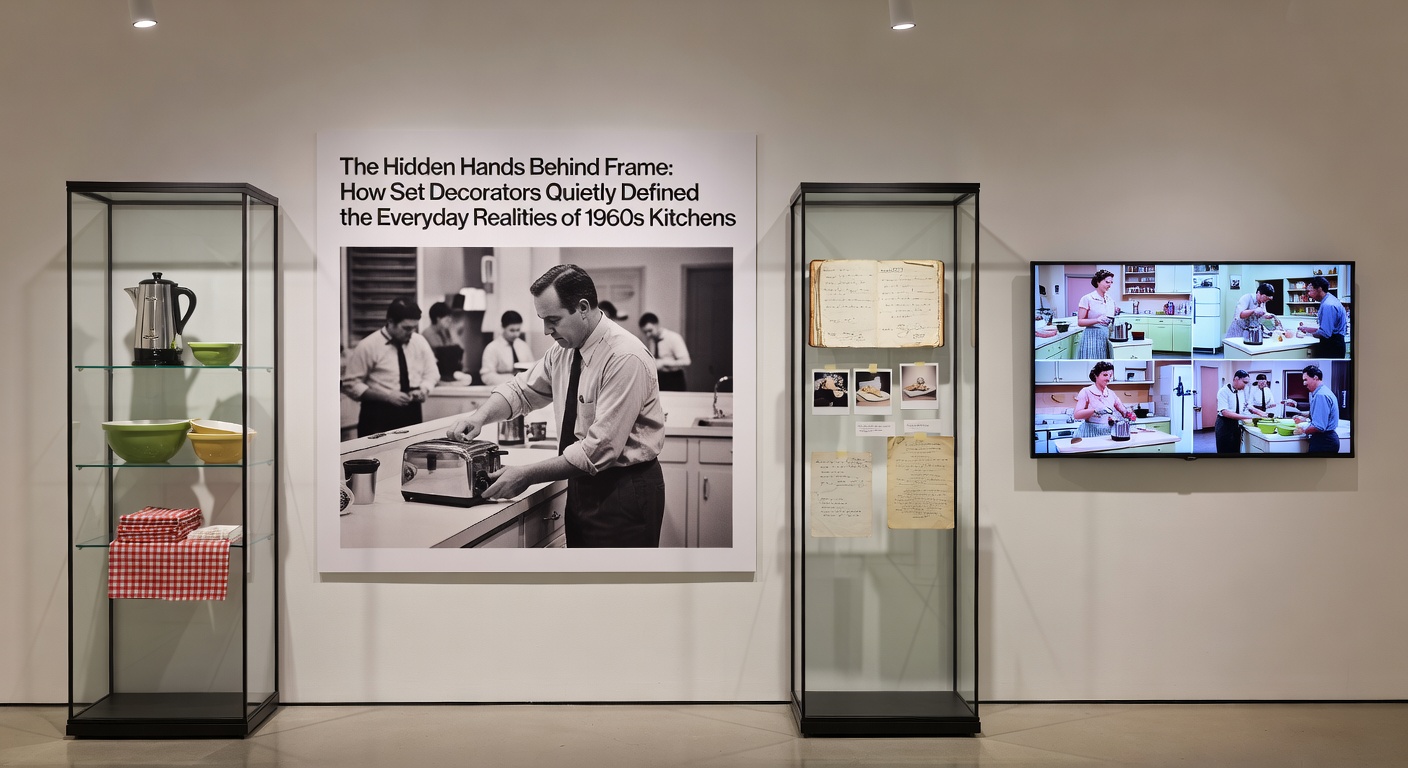
Researchers discovered through preserved set drawings that decorators frequently incorporated regional variations such as specific Northern pottery styles or London street signage and these additions provided geographic specificity that supported the films' claims to documentary like truthfulness.
Challenges and Industry Context
Budget limitations forced creative solutions including the reuse of props across multiple Woodfall productions and decorators adapted by repainting existing pieces or modifying commercial furniture to match script requirements and trade publications from the era record these adaptations as standard practice.
Coordination with costume departments ensured visual harmony between clothing and surroundings while location managers secured permissions for real homes that already contained authentic accumulated clutter and this teamwork reduced the need for extensive artificial aging of new purchases.
Now a growing number of restorations scheduled for release in May 2026 at festivals including those supported by the British Film Institute will allow modern viewers to examine these set details in high resolution and such screenings highlight the technical skill involved in period recreation.
Enduring Influence on Later Filmmaking
Subsequent generations of production designers have cited 1960s kitchen sink sets as reference points for contemporary social dramas and archives at institutions such as the UCLA Film and Television Archive preserve original sketches that demonstrate systematic approaches to material selection.
Those who've studied this period observe that the quiet contributions of set decorators established benchmarks for visual storytelling that prioritized environment as character and this legacy appears in later British television series that revisit working class themes.
Conclusion
Set decorators of the 1960s kitchen sink movement supplied the tangible framework that allowed social realist narratives to resonate and their selections of domestic objects continue to inform historical understanding of the era through preserved film prints and production materials.