1 Jul 2026
Shadows and sync: how rerecording mixers calibrated emotional beats across 1970s disaster epics
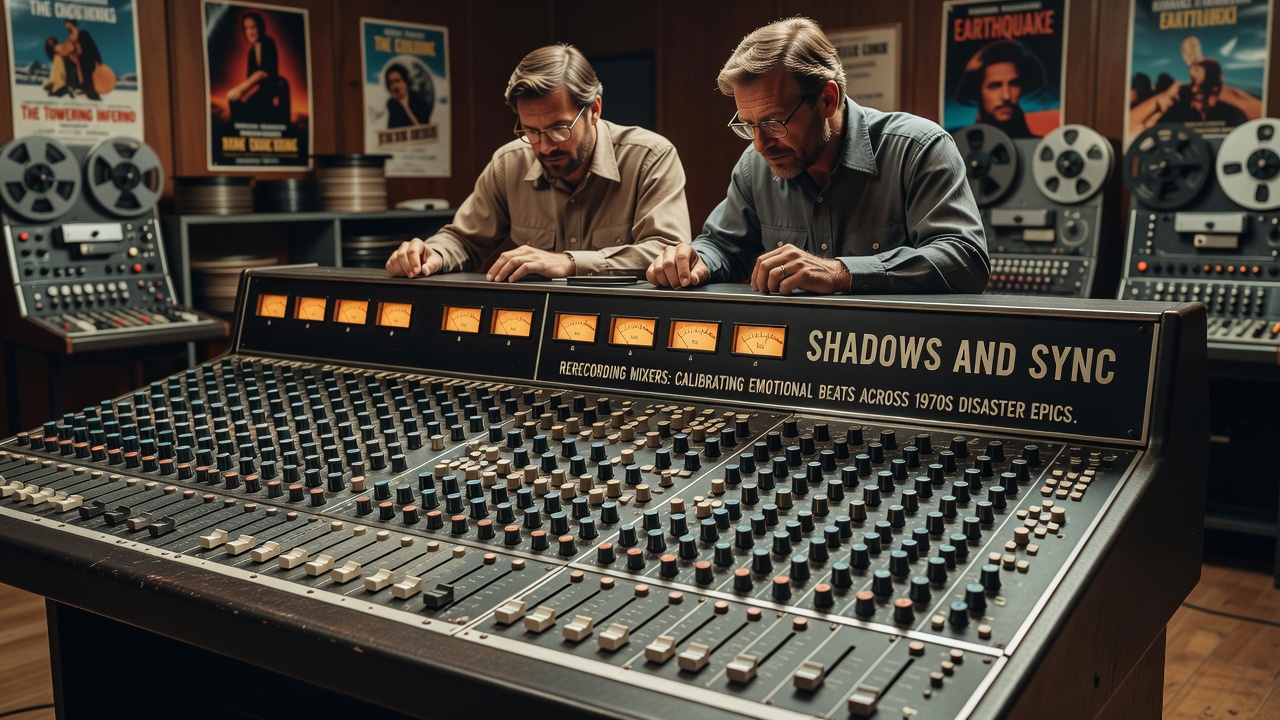 Rerecording mixers in the 1970s took on the task of shaping the final soundscape for disaster epics that dominated studio releases, and their work involved layering multiple audio stems while preserving narrative tension across extended runtime sequences. Studios such as 20th Century Fox and Universal commissioned films like The Poseidon Adventure and The Towering Inferno, where mixers adjusted levels so that rumbling effects and character voices competed for attention in ways that mirrored onscreen chaos. These professionals operated large-format consoles with limited automation, relying on manual fader moves to create dynamic shifts that aligned with plot escalations. The technical environment of that decade featured analog magnetic film recorders and early Dolby noise reduction systems that allowed greater headroom for low-frequency elements, yet required precise calibration to avoid distortion during theatrical playback. Mixers coordinated with supervising sound editors to establish reference tones for each reel, ensuring that helicopter blades in Earthquake or rushing water in Poseidon Adventure maintained consistent spatial placement when combined with orchestral scores. Data from studio logs indicate that sessions often extended beyond twelve hours as teams iterated on balance points that heightened audience anticipation during set-piece moments.
Calibration methods for emotional pacing
Mixers approached each scene by first establishing a baseline dialogue level then introducing effects in graduated volumes that followed character reactions, and this method drew from practices refined during earlier war films yet adapted for mass destruction scenarios. They used graphic equalizers to carve space in the frequency spectrum so that screams and falling debris occupied distinct bands, preventing auditory masking that could flatten dramatic impact. Observers note that one common technique involved ducking music under incoming sound effects at precise frame counts, a process documented in production notes from multiple 1974 releases.
Case studies from the period reveal how rerecording teams on The Towering Inferno divided the mix into stems for fire, dialogue, and score, then performed live passes where an assistant engineer triggered reverb returns on specific lines to simulate enclosed spaces. Such workflows required constant communication between the mixing stage and the director's chair, because adjustments to one element often necessitated compensatory changes across the entire soundtrack. Research conducted by the Academy of Motion Picture Arts and Sciences archives shows that rerecording schedules for these epics averaged three weeks longer than standard dramas of the same era.
Integration with visual and musical elements
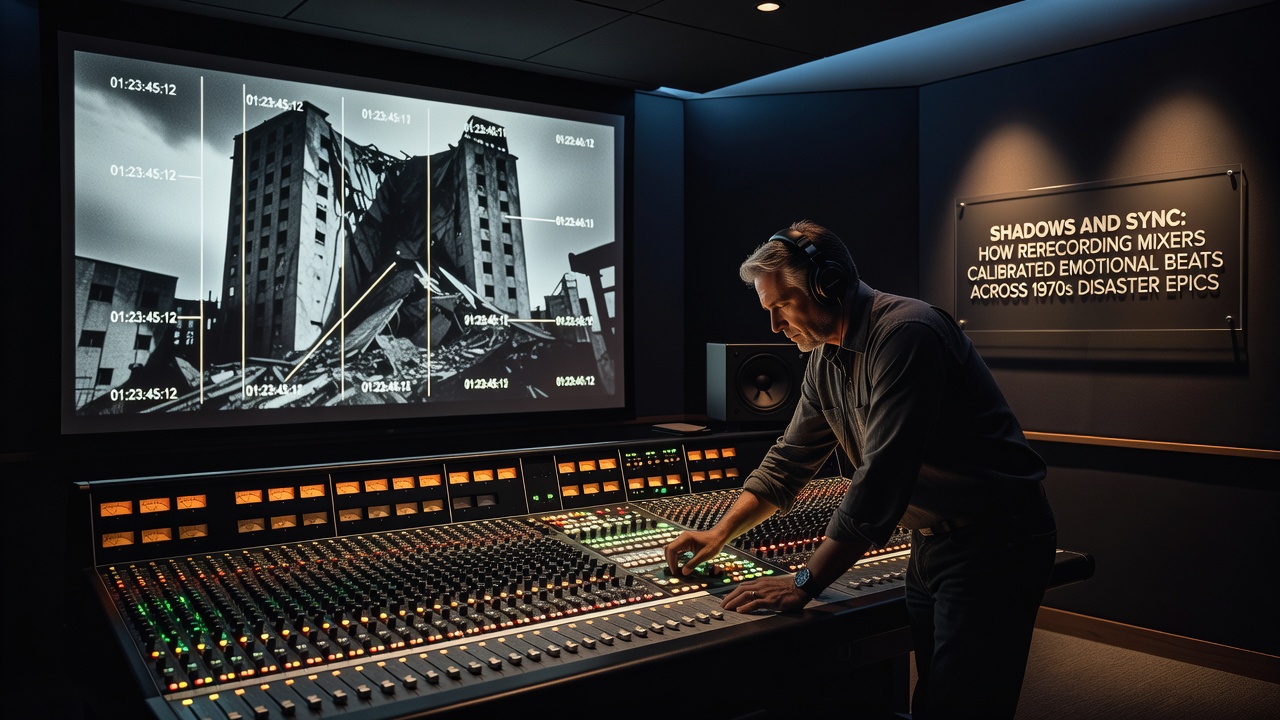
Disaster epics demanded that sound design reinforce visual scale, so mixers synchronized low-frequency rumbles with optical printer effects while keeping higher-frequency details audible for smaller screen actions. They often referenced temp mixes prepared during editing to map emotional arcs, then refined those maps during final playback on large theater monitors. Figures from industry reports compiled by the British Film Institute indicate that rerecording crews frequently consulted with composers to determine where music could recede without losing momentum during extended destruction sequences.
Technological constraints of the time meant that surround channels, when available, carried mostly effects rather than immersive music beds, and this limitation pushed mixers toward creative panning decisions that directed attention to specific quadrants of the frame. One documented approach involved pre-laying discrete effect tracks on separate mag film elements, allowing real-time blending that responded to picture cuts. Those who've studied the era's mixing logs point out that such methods contributed to the visceral quality audiences experienced in first-run engagements.
Legacy of 1970s mixing practices
Standards established during these productions influenced later digital workflows, because the manual calibration techniques developed for analog consoles informed software interfaces that emerged in the 1980s. Preservation efforts at institutions including the Library of Congress have restored several 1970s disaster soundtracks using original stems, revealing the precision with which mixers balanced competing audio layers. External analyses from the Australian Centre for the Moving Image further document how these sound decisions shaped international distribution versions that carried alternate dialogue and effects mixes.
Conclusion
The rerecording mixers of 1970s disaster epics operated within tight technical and creative parameters that required both engineering skill and narrative sensitivity, and their contributions remain audible in restored prints screened at festivals worldwide. Their methods of aligning audio dynamics with visual beats established patterns that subsequent generations of sound professionals continued to reference when approaching large-scale action sequences.