22 May 2026
Quiet Innovations: How Gaffers Shaped Cinematic Atmospheres Through Practical Lighting Choices in Independent Dramas
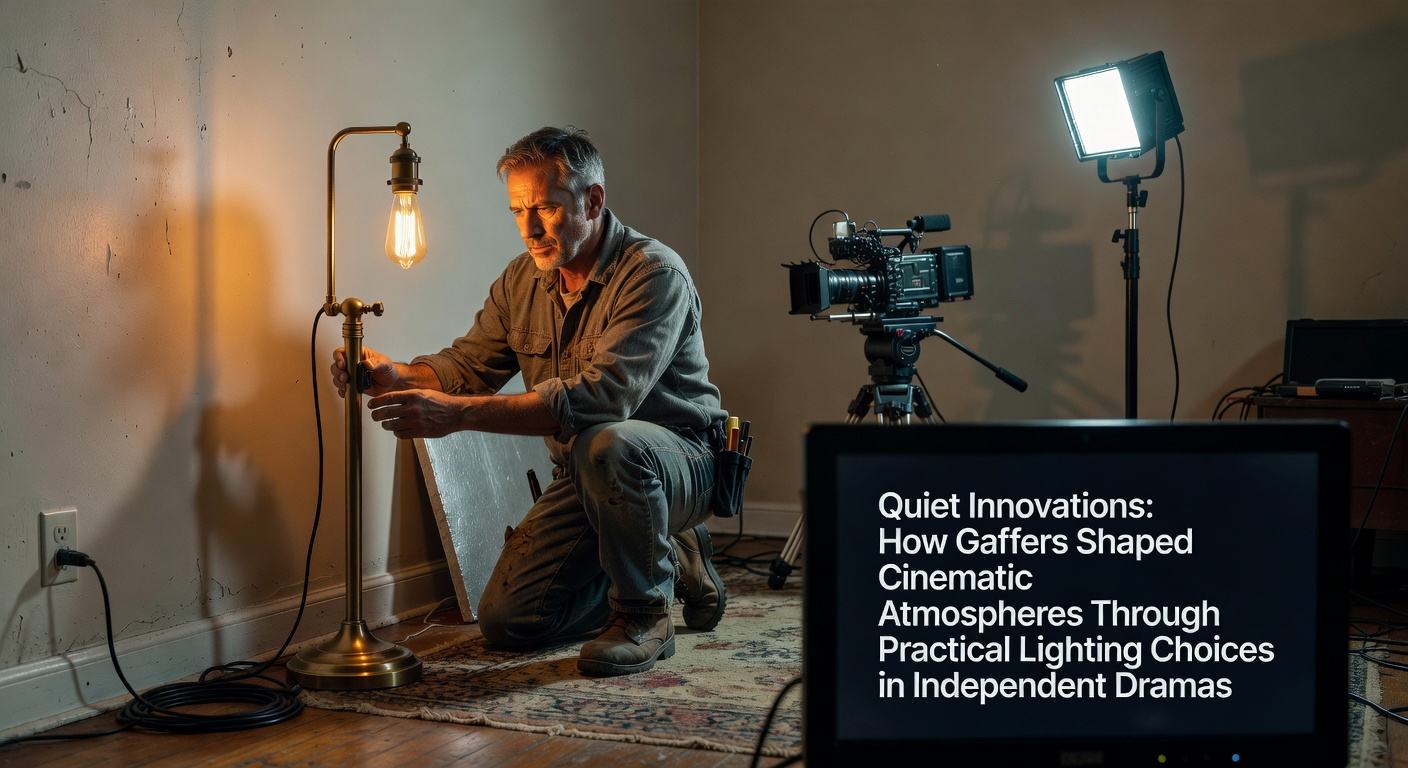
Gaffers in independent drama productions have long relied on practical lighting sources to build mood and realism without extensive equipment budgets, and this approach continues to influence narrative depth in films shot on location or in constrained spaces. Observers note that these choices often integrate household fixtures, natural window light, and minimal supplemental bulbs to shape scenes that feel lived-in rather than constructed, while data from production reports shows a steady preference for such methods in low-budget features released between 2015 and 2025.
Research indicates that gaffers typically begin by assessing available ambient sources in a given space, then layer practical elements like desk lamps, overhead fluorescents, or even candlelight to guide viewer attention and underscore emotional beats. According to industry analyses from the National Film Board of Canada, this technique reduces post-production color grading needs by establishing tonal foundations on set, and crews working in regions with variable weather patterns often adapt these setups daily to maintain continuity across takes.
Core Techniques in Practical Lighting Application
Practical lighting involves positioning real-world fixtures within the frame so they serve both as visible light sources and narrative tools, and gaffers achieve this through careful bulb selection combined with diffusion materials such as parchment paper or gels cut from household supplies. Studies from academic film programs reveal that independent drama teams favor LED practicals for their low heat output and dimmability, allowing extended shooting hours without overwhelming small crews or actors in confined interiors.
Those who have examined set photographs from recent productions observe frequent use of mixed color temperatures, where a warm table lamp contrasts against cooler daylight spilling through blinds, to heighten tension in dialogue-heavy sequences. This method appears across multiple award-recognized titles, where lighting shifts mirror character arcs without relying on elaborate rigs that could disrupt intimate performances.
Case Examples from Notable Independent Productions
One notable production team employed bedside lamps and streetlight spill filtered through curtains to define nocturnal scenes in a story centered on urban isolation, creating pools of illumination that isolated figures against dark backgrounds. Data collected from similar shoots shows this approach cuts equipment rental costs by up to 40 percent while preserving authentic spatial relationships that wide establishing shots might otherwise flatten.
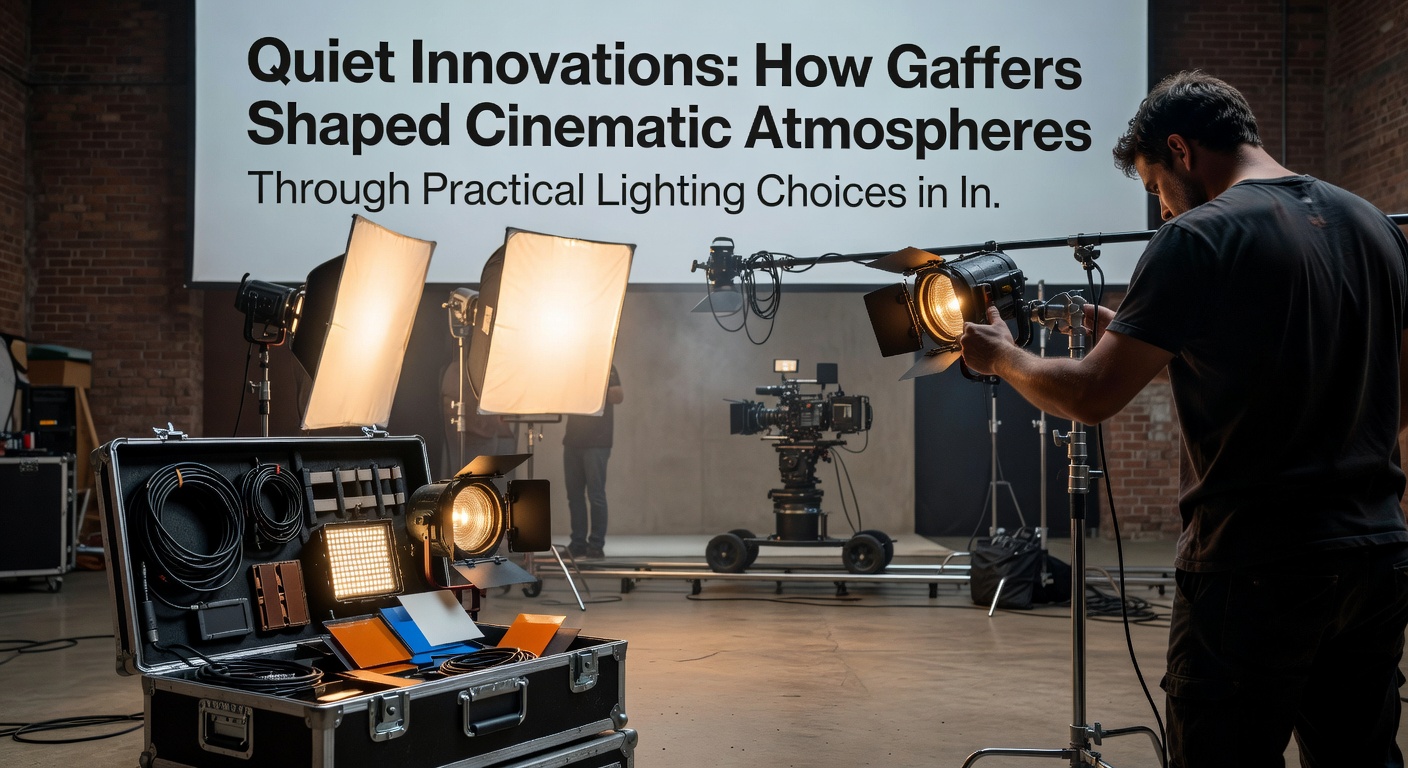
Another crew working on a rural family drama incorporated oil lamps and fireplace glow as primary sources during evening sequences, and reports from those sets highlight how these choices influenced blocking decisions so actors naturally gravitated toward warmer areas of the frame. Researchers at European film archives have documented parallel strategies in earlier European independent works, noting consistent patterns where practical lights anchor emotional climaxes without additional fill lighting.
Evolving Practices and Industry Trends Through 2026
As independent productions adapt to sustainability mandates, gaffers increasingly select energy-efficient practical bulbs that align with environmental guidelines issued by various regional film commissions, and this shift supports longer location stays without generator dependency. In May 2026 several festivals plan to screen restored prints of earlier independent dramas alongside panels discussing updated practical lighting protocols that incorporate battery-powered LED alternatives for remote shoots.
What's interesting here is how these innovations maintain visual consistency across digital and film workflows, since practical sources record with inherent falloff that digital sensors capture more readily than high-output HMIs. Figures from trade group surveys reveal rising attendance at workshops focused on low-impact lighting, where participants learn to repurpose everyday objects like string lights or refrigerator bulbs for background ambiance in apartment-based stories.
Conclusion
Practical lighting decisions by gaffers continue to define the atmospheric texture of independent dramas through deliberate integration of real fixtures and available light, and production records confirm these methods deliver both economic and aesthetic advantages. As festivals and training programs highlight updated approaches in 2026, the foundational techniques remain centered on enhancing story immersion via visible sources that actors and audiences experience simultaneously.