3 Jun 2026
Pacing the Heartbeat: Montage Construction Methods That Shape Audience Connection in Dramatic Cinema
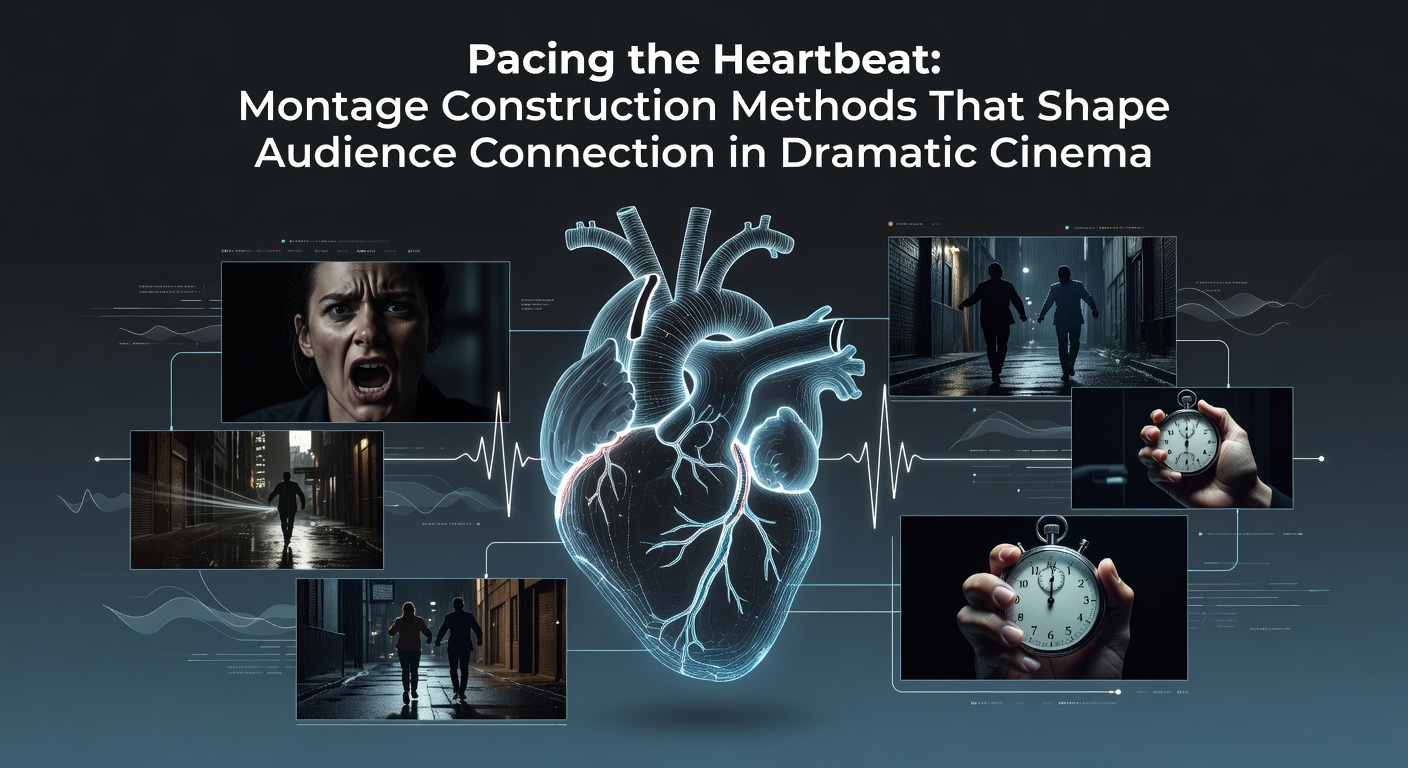
Montage construction in dramatic cinema relies on precise rhythmic assembly of shots that build emotional intensity and guide viewer attention through time compression or expansion, and this approach traces its roots to early 20th-century experiments where editors discovered that juxtaposing disparate images could evoke specific psychological responses in audiences.
Researchers at institutions like the University of Southern California have documented how these methods evolved from silent era practices into sophisticated tools that align visual pacing with narrative tension, creating what observers describe as a cinematic heartbeat that syncs audience pulse rates with onscreen events.
Foundations of Rhythmic Editing in Dramatic Narratives
Early theorists including Sergei Eisenstein developed intellectual montage techniques that placed conflicting images side by side to generate new meanings, and data from film studies programs indicate these approaches influenced dramatic pacing by forcing viewers to actively construct emotional connections rather than passively observe linear sequences.
Editors working in the 1920s and 1930s refined collision-based cuts to heighten dramatic stakes, while Pudovkin's linkage theory emphasized smoother transitions that maintained narrative flow and allowed audiences to form deeper character bonds through accumulated associations over extended sequences.
Core Methods That Control Audience Engagement
Parallel montage alternates between two or more storylines unfolding simultaneously, and this construction accelerates perceived time while building suspense through cross-cutting that mirrors internal conflicts within characters; studies from the British Film Institute archives reveal consistent use of this method in mid-century dramas to sustain viewer investment across multi-threaded plots.
Jump cuts compress time by removing transitional frames, yet they disrupt spatial continuity in ways that reflect psychological fragmentation, and those who've analyzed dramatic works note how this technique forces audiences to fill emotional gaps, thereby increasing personal connection to the material.
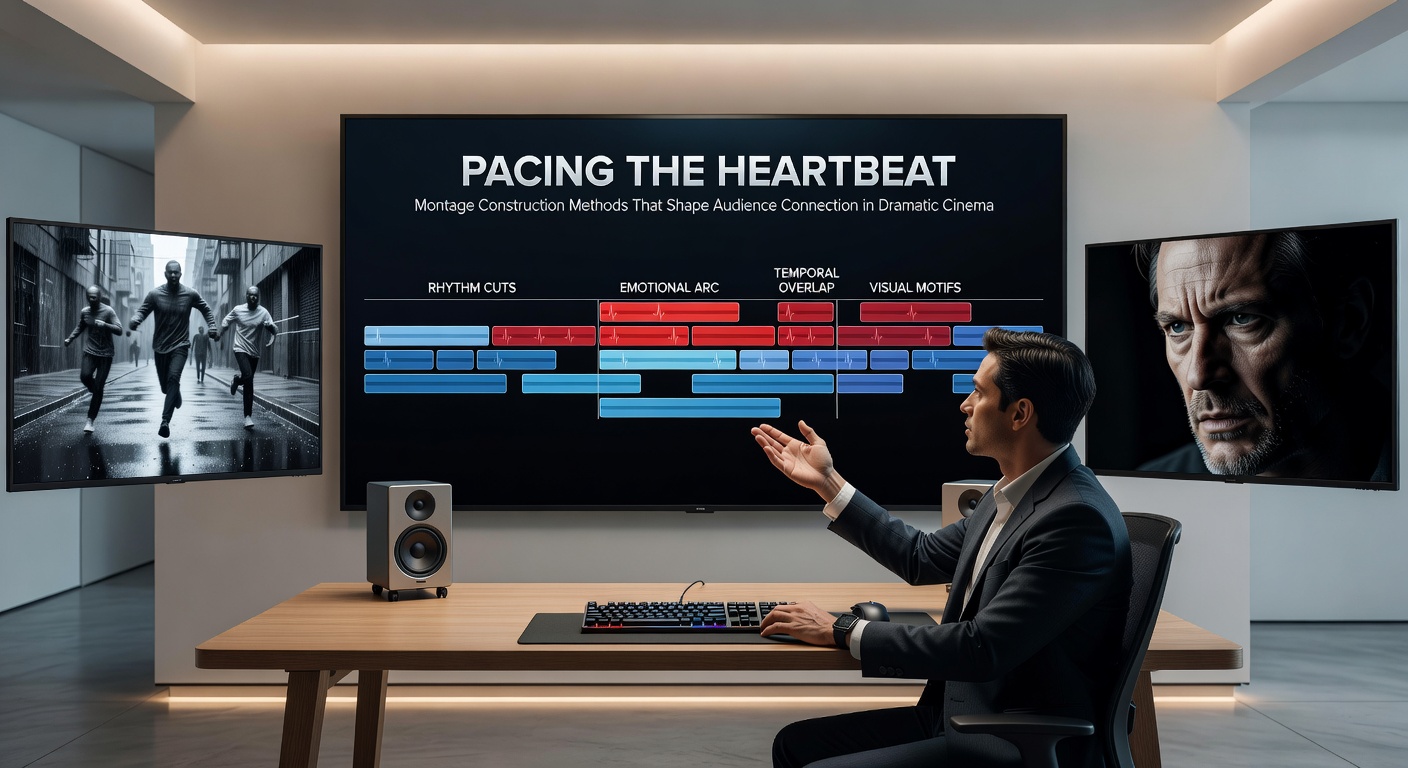
Metric montage bases cuts strictly on shot length to establish musical rhythms independent of content, whereas tonal montage layers shots according to emotional resonance, and evidence from academic analyses shows these approaches often combine in modern dramatic cinema to regulate heartbeat-like tension peaks during key confrontations or revelations.
Applications in Contemporary Dramatic Works
Modern editors employ overtonal montage that blends metric, rhythmic, and tonal elements to create layered emotional effects, and this method appears frequently in festival selections where audience connection depends on sustained pacing rather than spectacle; reports from the Australian Film Commission highlight its role in independent dramas screened at events leading into June 2026 programming cycles.
Associative cuts link seemingly unrelated visuals through thematic echoes, allowing directors to externalize internal states without dialogue, while relational editing juxtaposes character reactions against environments to underscore isolation or connection, and industry data indicates these choices measurably extend viewer retention through pivotal dramatic arcs.
Case examples from productions in the 2010s demonstrate how editors calibrate shot durations to match physiological responses, shortening intervals during rising action to quicken audience engagement and extending them during reflective moments to deepen empathy, with researchers noting direct correlations between these patterns and reported emotional immersion levels.
Measurement and Impact Studies
Quantitative analyses conducted across European cinema research centers track eye movement and heart rate variability during montage sequences, revealing that well-constructed pacing elicits synchronized physiological responses among diverse viewer groups, and these findings support continued refinement of techniques in both theatrical and streaming dramatic formats.
Training programs at film schools now incorporate biofeedback tools to test montage effectiveness before final cuts, ensuring that rhythmic choices align with intended audience bonds rather than arbitrary stylistic preferences.
Conclusion
Montage construction methods continue to evolve as tools for shaping dramatic audience connection through deliberate control of cinematic rhythm and emotional progression, and ongoing studies confirm their lasting influence on how viewers experience narrative heartbeat across generations of filmmaking practice.