8 Jul 2026
Mapping Connections Between Theater Chain Growth and Independent Film Distribution Changes
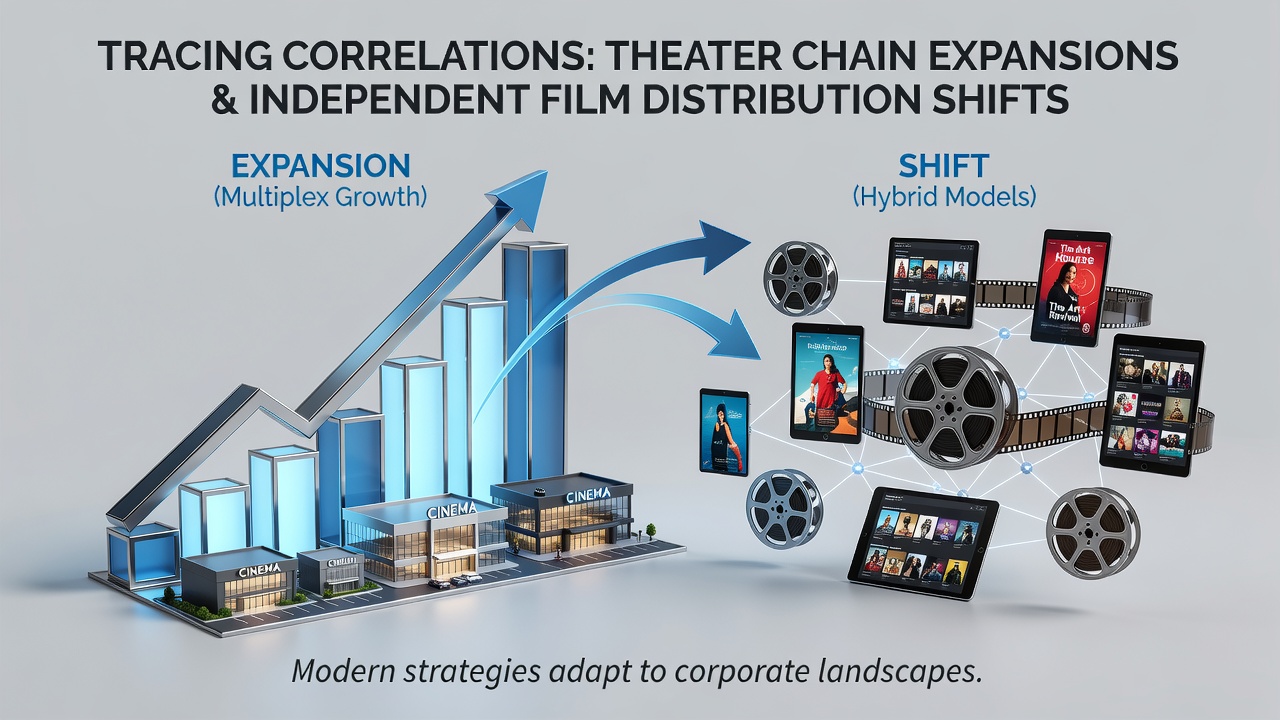
Industry observers have tracked how expansions by major theater chains align with adjustments in how independent films reach audiences, with data from box office reports and distribution contracts showing measurable patterns since the early 2010s. Researchers at film studies programs note that when chains add screens in urban and suburban markets, the allocation of those screens often prioritizes wide-release titles, which in turn influences the windows available for smaller productions.
Expansion Patterns Among Major Chains
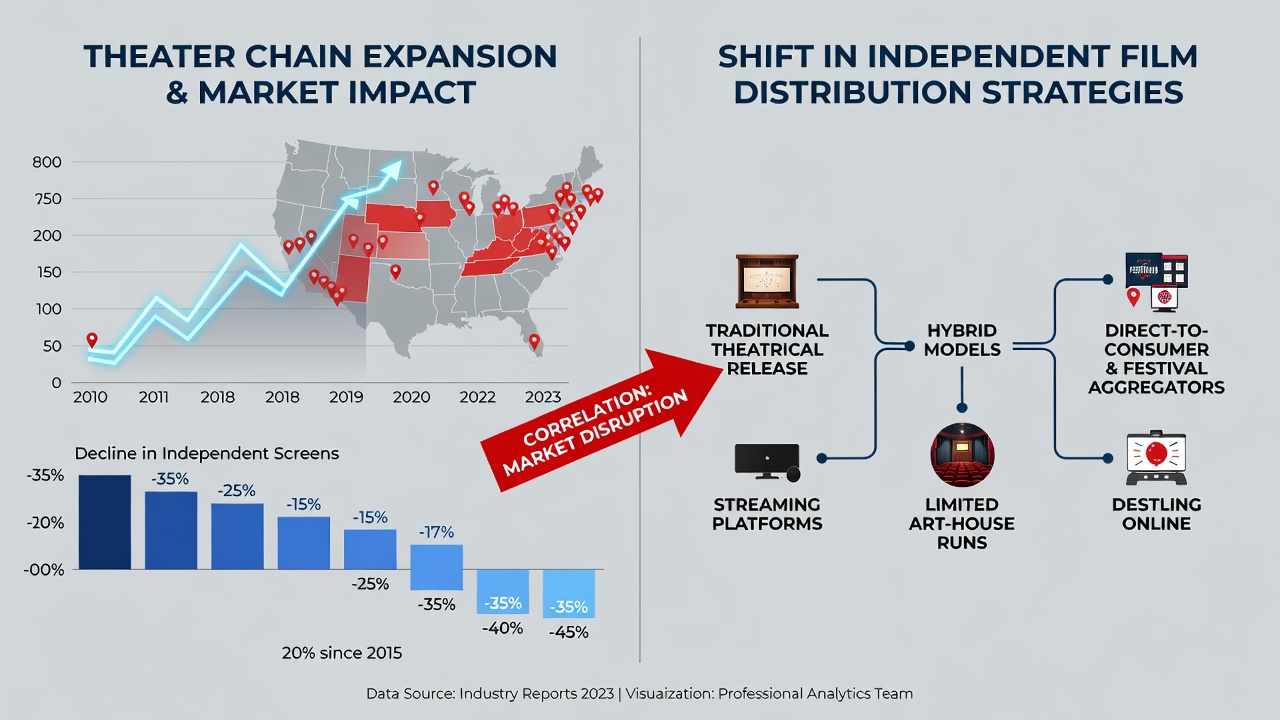
Chains such as AMC and Cineworld pursued aggressive site acquisitions and new builds between 2015 and 2023, adding thousands of screens across North America and Europe while focusing on premium formats including IMAX and luxury recliner auditoriums. Data compiled by the National Association of Theatre Owners indicates these additions concentrated in locations already served by multiplexes, creating denser exhibition footprints that favor films with larger marketing budgets. Independent distributors responded by shortening traditional theatrical runs or bypassing them entirely for titles that could not secure prime time slots.
Analysts at the European Audiovisual Observatory documented similar trends on the continent, where French and German chains expanded multiplex capacity yet reserved the majority of new screens for studio product during peak release periods. This left fewer viable playdates for regional independent features, prompting distributors to explore simultaneous or near-simultaneous video-on-demand releases in adjacent territories.
Shifts in Independent Distribution Models
Distribution companies handling independent titles adjusted their strategies by negotiating earlier streaming windows with platforms such as Netflix and Mubi, especially after 2018 when theatrical availability tightened. Figures from the Independent Film & Television Alliance reveal that the percentage of independent features securing exclusive theatrical runs of eight weeks or longer declined steadily through 2025, while hybrid releases combining limited cinema exposure with day-and-date digital access increased. These changes coincide with chain expansions that emphasized volume over variety in screen programming.
One study from the University of Southern California tracked 1,200 independent releases and found a statistical correlation between chain screen growth in a given market and the likelihood that distributors opted for non-theatrical premiere strategies. Markets experiencing the largest increases in multiplex screens showed the sharpest rise in streaming-first launches for titles budgeted under five million dollars.
Correlations Supported by Market Data
Box office tracking services reported that independent films accounted for a shrinking share of total theatrical admissions in expanded multiplex circuits, even as overall screen counts rose. This pattern held across multiple regions, with Canadian chains mirroring U.S. trends and Australian operators following similar booking priorities. The result pushed independent distributors toward festival circuits and curated streaming platforms as primary launch vehicles rather than traditional wide theatrical rollouts.
By July 2026, several mid-sized chains had completed additional screen additions announced in prior years, and preliminary booking data indicated continued compression of independent film playdates in those locations. Distributors adapted by forming direct partnerships with subscription video services that offered revenue shares comparable to modest theatrical earnings, while reserving cinema engagements for prestige titles likely to generate awards momentum.
Regional Variations and Case Examples
Observers note differences by territory. In the United Kingdom, chain expansions by Vue and Odeon correlated with increased use of event cinema screenings for independent documentaries, a format that allowed shorter runs without competing directly for prime multiplex time. Australian data showed independent features migrating toward boutique arthouse chains that maintained more flexible programming, while larger multiplex operators focused on franchise titles. These geographic distinctions appear in reports from academic research centers tracking exhibition patterns.
Take the example of one production company that released three features in 2024: two secured traditional theatrical windows in markets where chains had not yet expanded, while the third launched directly on a streaming service after failing to book screens in newly enlarged circuits. Such case-by-case decisions illustrate how distributors calibrate release strategies according to available exhibition capacity.
Conclusion
Available evidence links theater chain expansions with measurable adjustments in independent distribution approaches, as chains allocate new screens toward higher-grossing product and distributors respond by diversifying premiere channels. Ongoing data collection through industry associations and academic programs continues to clarify these relationships, particularly as exhibition footprints evolve further in 2026 and beyond.