20 May 2026
Location Scouting's Vital Contribution to Narrative Authenticity in Independent Cinema
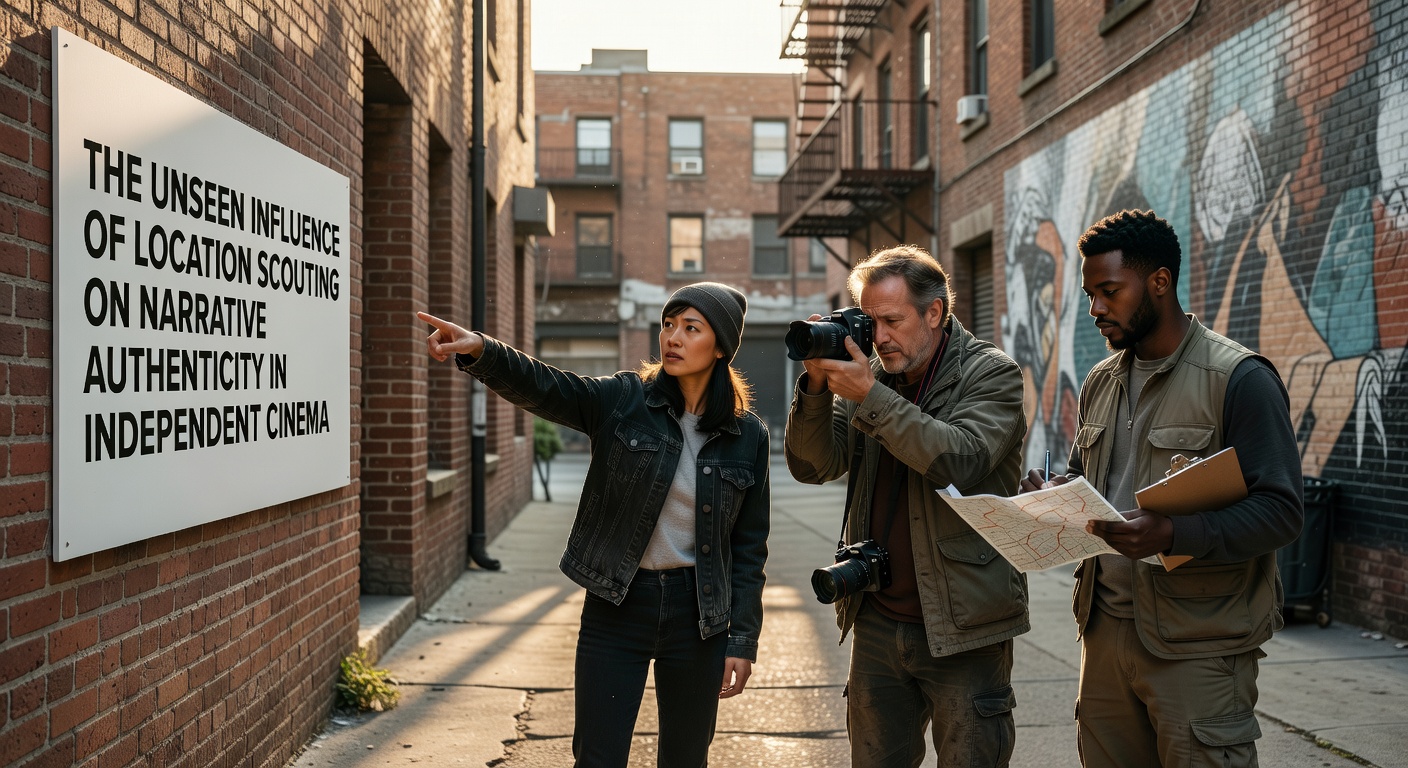
Independent filmmakers rely on location scouting to embed stories in environments that reflect real-world conditions, and researchers have documented this process as essential for maintaining narrative integrity across diverse productions. Data from industry surveys indicate that productions which invest time in thorough scouting achieve higher audience engagement metrics, particularly when settings align closely with character experiences rather than relying on constructed sets.
The Process Behind Effective Scouting Decisions
Scouts begin by analyzing scripts for environmental cues that shape plot progression, and they evaluate multiple sites based on factors like accessibility, lighting patterns, and historical accuracy while considering budget constraints that define most independent projects. This evaluation often involves collaboration with directors and cinematographers who assess how natural elements such as weather patterns or architectural details can influence scene pacing and emotional tone.
Studies conducted by academic institutions reveal that location choices made early in pre-production reduce post-production alterations by up to 30 percent in many cases, allowing crews to capture footage that requires minimal digital enhancement. Observers note that scouts frequently document sites through photography and video logs, creating reference materials that guide set adjustments without compromising the original vision.
Regional Variations in Scouting Practices
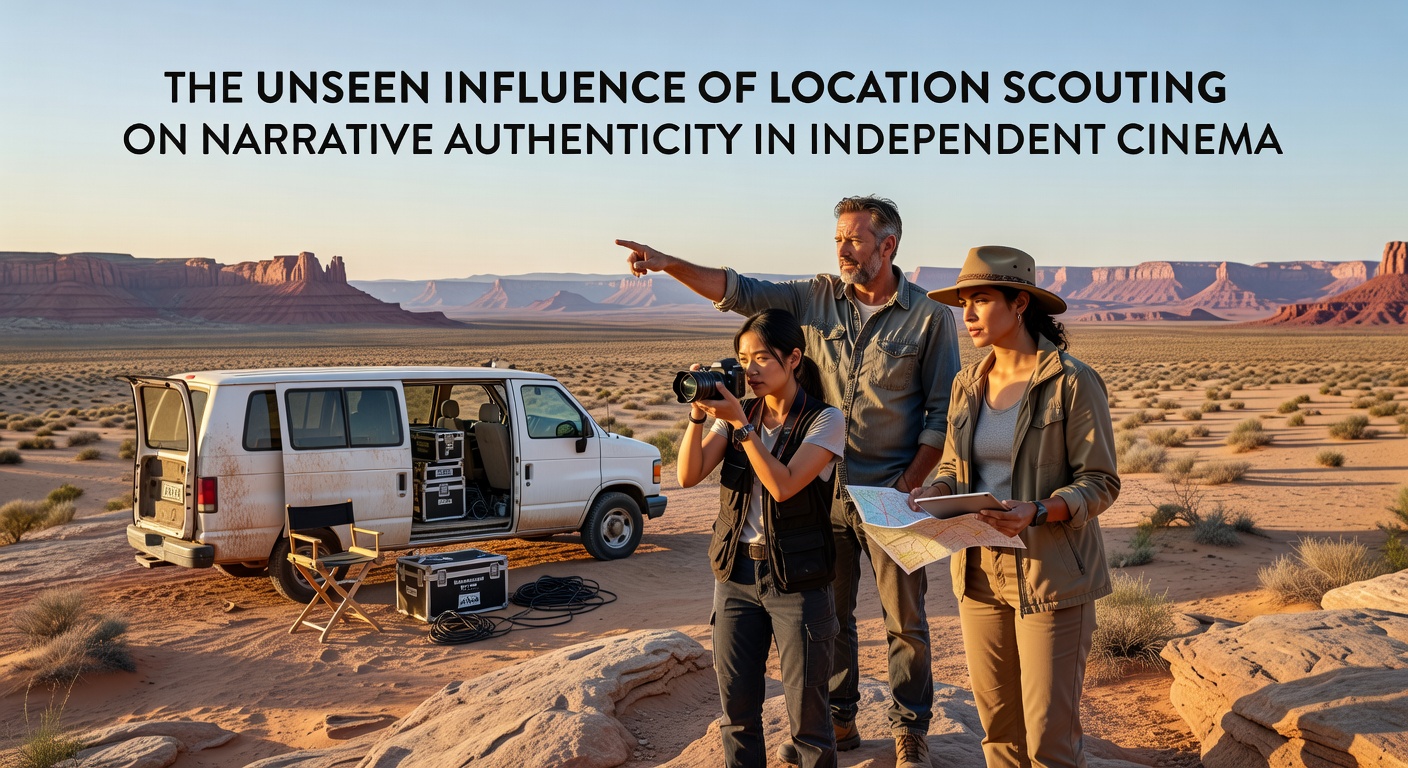
Filmmakers in North America often prioritize remote areas that offer isolation for intimate character studies, whereas European crews tend to integrate urban landmarks that carry cultural significance into their narratives. Reports from organizations like the European Film Promotion highlight how these regional approaches contribute to distinct storytelling traditions that resonate differently with international audiences.
In Australia, data compiled by Screen Australia shows an increasing trend toward scouting indigenous lands with community input, which adds layers of cultural context to stories about identity and heritage. Such practices demonstrate how scouting extends beyond visual appeal to incorporate ethical considerations that strengthen narrative depth.
What's interesting is the way scouting intersects with scheduling demands, especially as independent teams prepare for events like the 2026 Independent Film Summit scheduled for May, where workshops on adaptive scouting techniques will address emerging challenges posed by climate variability and urban development. Crews must balance these practical elements with creative goals, and evidence suggests that flexible scouting strategies lead to more resilient production timelines.
Impact on Character and Plot Development
Authentic locations provide tangible references that actors draw upon during performances, and case examples from productions filmed in actual working-class neighborhoods illustrate how surrounding details inform dialogue delivery and physical interactions. Researchers at various film studies programs have found correlations between on-site filming and improved critical reception scores for character-driven stories.
Scouting also reveals logistical opportunities that writers incorporate into revisions, such as natural soundscapes or spatial constraints that heighten tension without additional effects. These discoveries occur because scouts explore sites thoroughly rather than relying on secondary descriptions, and this hands-on approach often uncovers nuances that reshape narrative arcs in meaningful ways.
Challenges and Adaptations in Modern Scouting
Independent teams face obstacles including permit restrictions and environmental protections that limit access to certain areas, yet many adapt by using digital mapping tools combined with on-ground verification to identify viable alternatives. Industry reports indicate that hybrid methods combining satellite imagery with physical visits have become standard since the mid-2010s, improving efficiency while preserving the authenticity that defines indie cinema.
But here's the thing: successful scouting requires ongoing communication between departments, and productions that maintain detailed records of site evaluations report fewer mid-shoot disruptions. This collaborative framework ensures that location decisions support rather than overshadow the core story elements.
Conclusion
Overall, location scouting functions as an integral component of independent filmmaking that directly influences how audiences perceive narrative truth, with data and production records confirming its role in enhancing realism across genres. As the field evolves toward 2026 and beyond, continued emphasis on thorough scouting practices will likely sustain the distinctive qualities that separate independent works from larger studio efforts.