12 Jul 2026
Interconnected Imagery: Exploring Visual Motifs That Link Characters in Multiple Film Series
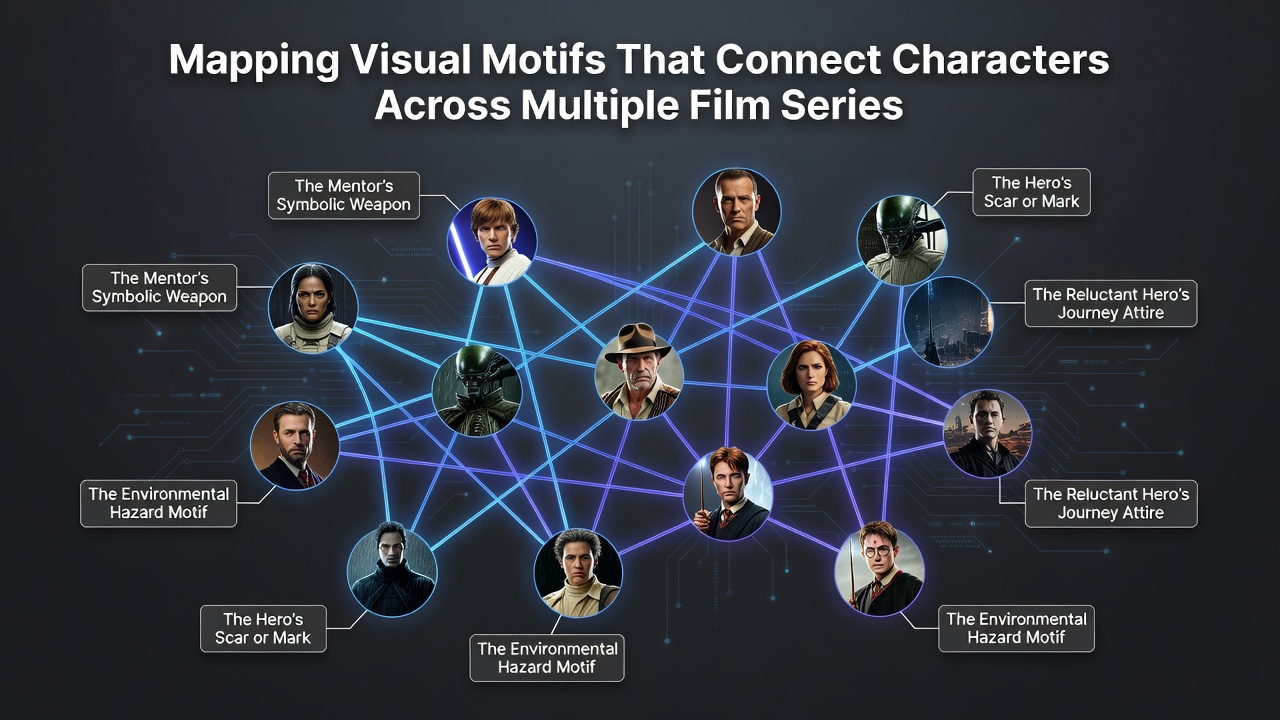
Visual motifs function as recurring elements that establish thematic and narrative connections between characters in separate film series, and researchers in film studies have documented these patterns through detailed frame-by-frame analyses. Observers note that directors and cinematographers employ consistent imagery such as specific color schemes, object placements, and framing techniques to create implicit links, even when the productions originate from different studios or time periods.
Defining Visual Motifs in Cinematic Contexts
Experts define visual motifs as repeated visual components that carry symbolic weight across multiple scenes or films, and data from academic film archives shows these elements often include lighting patterns, prop repetitions, and compositional choices. Studies conducted by institutions such as the University of Southern California School of Cinematic Arts reveal that motifs like circular framing or shadowed silhouettes appear in character introductions within action and drama series, allowing audiences to recognize underlying character relationships without explicit dialogue.
Those who analyze franchise expansions observe that motifs extend beyond single films when production teams reuse design elements, and this practice has intensified with shared universe projects that span several series. Research indicates that color coding, such as the persistent use of red accents for characters facing moral dilemmas, connects figures across unrelated narratives like dystopian adaptations and superhero extensions.
Case Examples from Established Film Series
One documented instance involves the recurring motif of fragmented reflections in mirrors or water surfaces, which links protagonists dealing with identity crises in both fantasy trilogies and science fiction spin-offs. Archivists at the Academy of Motion Picture Arts and Sciences have cataloged how this technique appears in character development arcs separated by decades yet unified through visual repetition.
Another pattern emerges with the placement of specific objects, such as weathered books or mechanical devices, positioned in foreground compositions to signal character evolution. Figures from the Australian Centre for the Moving Image demonstrate through comparative timelines that these motifs maintain consistency even when different directors helm entries within extended series.
Techniques for Mapping These Connections
Analysts employ software tools to track motif frequency and placement, and reports from European film research bodies highlight methods that combine shot logging with thematic coding. These approaches allow for the identification of cross-series links, such as the shared use of low-angle shots that elevate certain characters to mythic status in both historical epics and contemporary adventure continuations.
What's interesting is how sound design sometimes reinforces visual motifs, although the focus remains on imagery alone according to multiple industry surveys. Production notes from various studios confirm that pre-visualization teams intentionally design these elements during early concept phases to ensure narrative cohesion across releases.
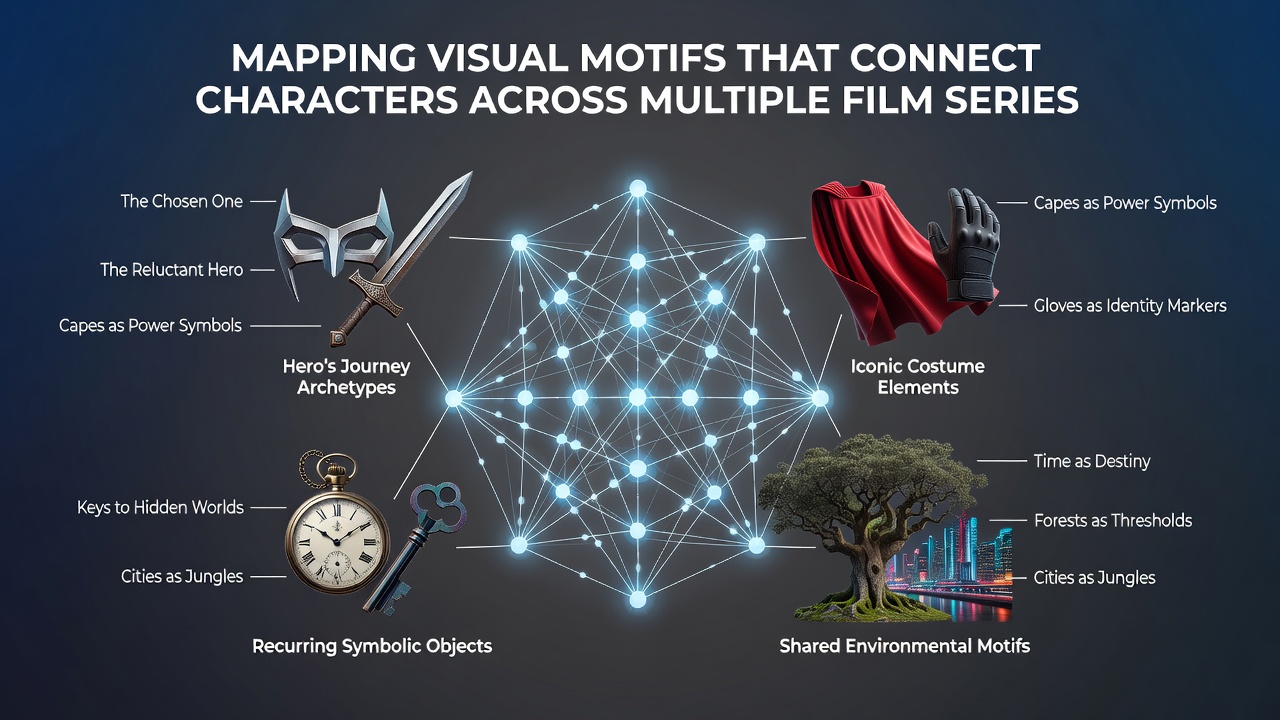
Impact on Audience Interpretation and Franchise Development
Viewers often recognize these motifs subconsciously, which strengthens engagement with interconnected storylines, and viewer data compiled by media research organizations shows increased retention rates for series that utilize such techniques. Production companies have incorporated motif mapping into planning stages for new installments, particularly as multi-film projects expand in 2026 and beyond.
Academic papers from Canadian universities specializing in media studies further outline how these visual threads support character continuity when actors change or timelines shift between series entries. The process relies on collaboration between art departments and directors to preserve motif integrity throughout extended production schedules.
Conclusion
Mapping visual motifs provides a structured way to understand character connections across film series, and ongoing archival work continues to uncover additional examples from both classic and modern productions. Industry reports and university research confirm that these elements play a documented role in narrative construction, offering measurable patterns for future analysis and production planning.