24 Jul 2026
How Archival Footage Licensing Influences Historical Accuracy in Biographical Dramas
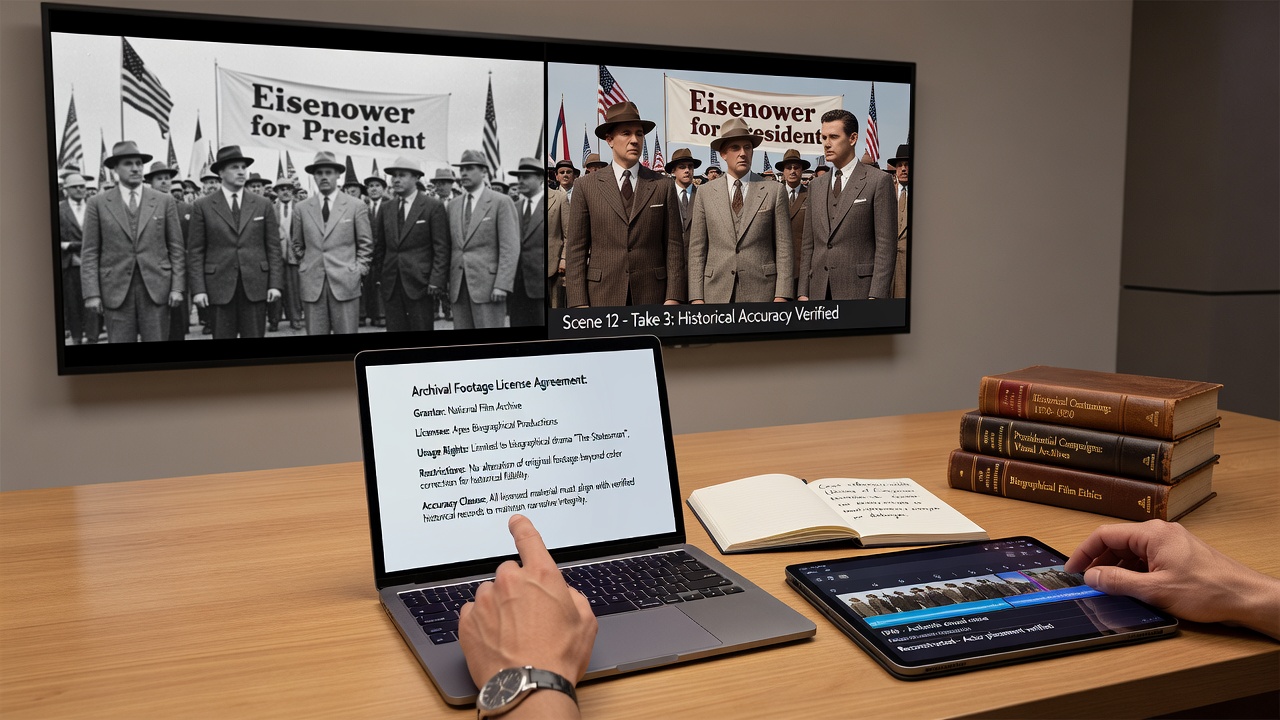
Biographical dramas often rely on archival footage to ground their portrayals in verifiable events, yet the licensing process determines whether that material reaches the screen or gets replaced by recreations. Producers must navigate rights holders, archives, and estates before any frame enters the edit, and the costs plus clearance timelines shape final decisions on what counts as accurate depiction. Research from film preservation bodies shows that restricted access frequently leads teams to alter sequences, omit key moments, or stage approximations instead.
The Clearance Process and Its Timeline Pressures
Securing rights begins with identifying the copyright owner, which may involve multiple parties when footage comes from newsreels, studio libraries, or personal collections. Legal teams contact estates, broadcasters, and government repositories while tracking chain-of-title documents that can span decades. When negotiations stall over fees or usage scope, editors cut planned inserts and substitute newly shot material that matches the period aesthetic but lacks the original camera perspective. Data from industry reports indicate clearance for a single minute of 1960s news footage can extend several months when rights fragment across international jurisdictions.
Cost Factors That Drive Creative Substitutions
License fees scale with duration, exclusivity, and distribution territory, so high-demand clips from major historical events carry premiums that strain independent budgets. Teams respond by commissioning visual effects to blend limited authentic shots with staged footage, or they drop the sequence entirely and rely on dialogue or stills to convey the same information. Observers note that productions set in the mid-20th century encounter steeper barriers because much of that era's news material sits with corporate archives that charge per-second rates calibrated to theatrical and streaming windows. A 2024 study by the European Audiovisual Observatory found that 38 percent of biographical features released between 2018 and 2023 replaced at least one planned archival sequence due to clearance costs.
Geographic and Institutional Variations in Access
Archives in different regions apply distinct policies that affect what filmmakers can obtain. The Library of Congress maintains public-domain holdings that reduce barriers for certain American events, whereas private broadcasters in other territories retain control longer. Library of Congress preservation guidelines outline standard licensing pathways for newsreels, yet equivalent material held by European broadcasters often requires separate negotiations under national copyright extensions. Australian productions drawing on footage from the National Film and Sound Archive face their own fee structures tied to domestic broadcast history. These regional differences create uneven accuracy levels across films covering the same era but produced under varying financing models.
Impact on Narrative Structure and Viewer Perception
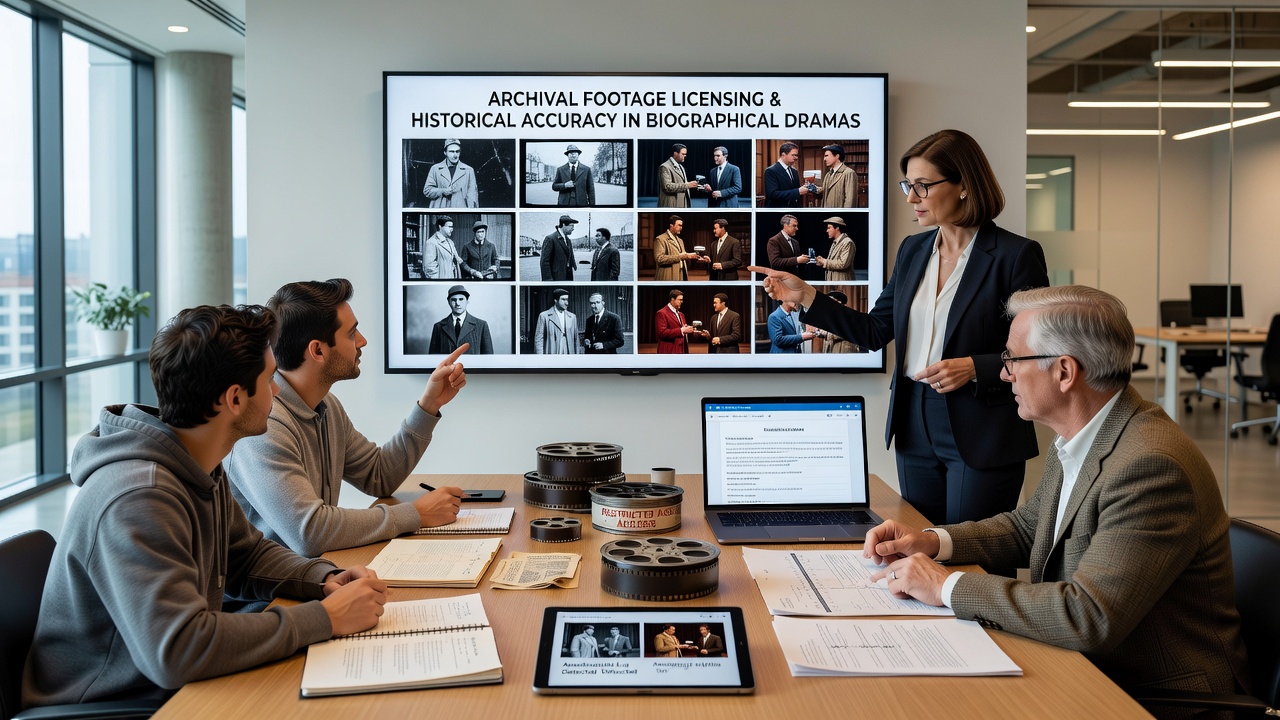
When licensing blocks an authentic clip, directors adjust pacing to accommodate recreations that must match surrounding material in grain, color, and camera movement. Viewers may register the shift unconsciously, yet the overall historical thread remains intact only if the replacement footage aligns with documented events. Studies from university media departments reveal that audiences rate authenticity higher when even brief licensed inserts appear, because those moments anchor the dramatized portions. Productions therefore prioritize licensing for signature events while accepting staged alternatives for transitional scenes, creating a hybrid visual record that reflects both available rights and budgetary limits.
Legal Frameworks and Future Developments
Copyright term extensions and moral-rights provisions in multiple jurisdictions add layers to clearance negotiations, particularly when estates control likeness or performance rights tied to the footage. As of mid-2026, ongoing reviews of digital preservation mandates in several countries are examining whether streamlined public-interest exceptions could ease access for factual storytelling. Industry organizations continue to track how these policy shifts might alter the economics of biographical production and the resulting fidelity to source material.
Conclusion
Archival footage licensing operates as a gatekeeper that directly determines which documented moments appear in biographical dramas and which ones receive interpretive reconstruction. The interplay of fees, timelines, and regional archive policies produces the visual record audiences ultimately judge for accuracy, and ongoing regulatory discussions may reshape those constraints in coming years.