26 Jun 2026
Echoes of Character: How Production Sound Mixers Crafted Emotional Depth in 1970s Cinema
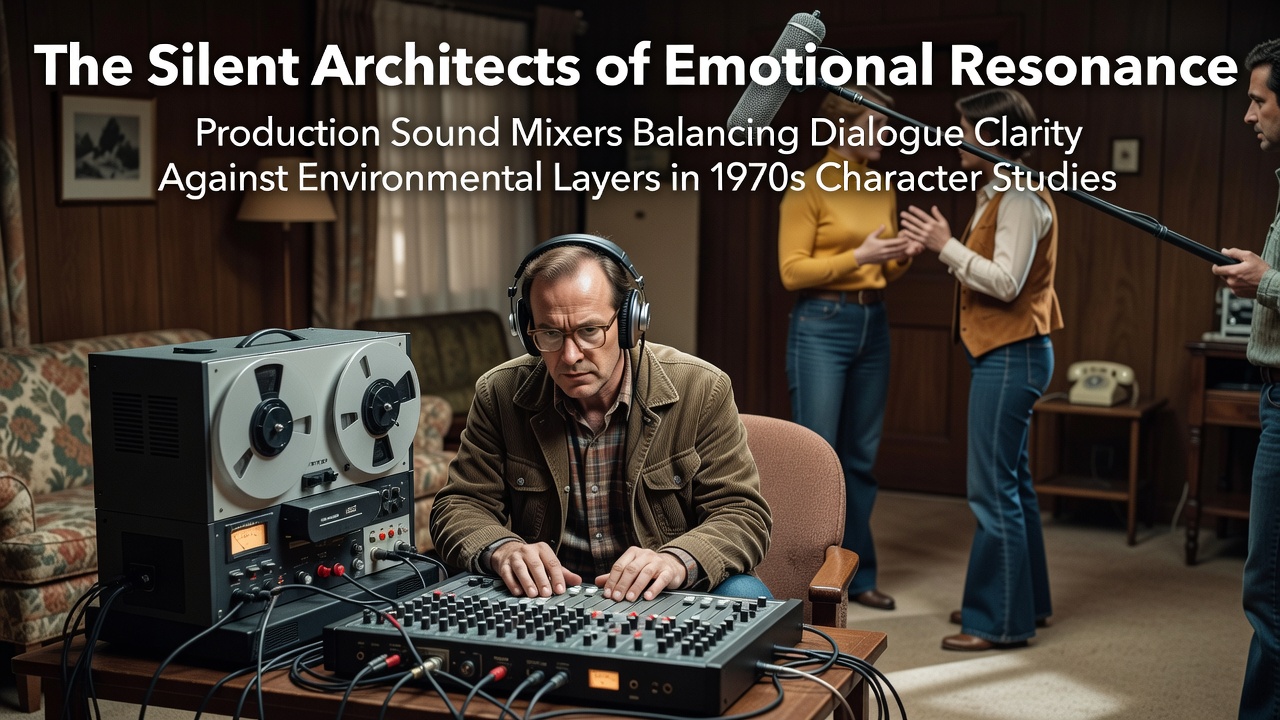
Production sound mixers in the 1970s worked at the intersection of technical precision and narrative subtlety, especially in character studies that defined the New Hollywood era, and they navigated the challenge of keeping spoken words intelligible while preserving the textured environments that revealed inner states without overt exposition. These professionals operated during a period when location recording relied on analog tools like Nagra tape recorders and early wireless microphones, which introduced variables such as wind noise, room tone, and overlapping ambient layers that demanded real-time decisions on set.
Technical Foundations of 1970s Sound Mixing
Sound mixers recorded production audio on location using portable equipment that captured both primary dialogue and incidental sounds in single passes, and they balanced these elements through manual fader adjustments on portable mixing consoles while directors like Martin Scorsese or Hal Ashby favored naturalistic performances over controlled studio conditions. This approach meant that environmental layers, ranging from urban traffic in New York streets to the quiet hum of suburban homes, became integral to character revelation, as seen in films where background noise underscored isolation or tension without requiring additional visual cues.
Studies from the era indicate that mixers often employed selective filtering techniques to reduce low-frequency rumble while retaining mid-range frequencies critical for vocal clarity, and they coordinated with boom operators to position microphones at angles that minimized phase issues yet maintained spatial depth. Data from production records show that many independent features operated with crews of fewer than ten people handling sound, which placed greater responsibility on the mixer to anticipate shifts in performance dynamics during extended takes typical of character-focused narratives.
Case Examples from Key Productions
Take the work on films such as "Five Easy Pieces" or "The Last Detail," where mixers captured dialogue amid ambient details like diner clatter or military base echoes, and they layered these elements to reflect characters' emotional restraint or outbursts. Observers note that in "Taxi Driver," the production mixer integrated city soundscapes with Travis Bickle's sparse lines to heighten the sense of detachment, using techniques that preserved the raw quality of location recordings rather than cleaning them excessively in post.
Researchers at film preservation institutions have documented how these choices influenced audience perception, with environmental sounds functioning as extensions of internal monologue in an era before widespread use of multitrack separation. Mixers frequently consulted with directors during rehearsals to identify which ambient elements carried thematic weight, allowing them to prioritize certain frequencies during the live mix and avoid later remediation that could alter the intended realism.
Challenges in Balancing Clarity and Atmosphere
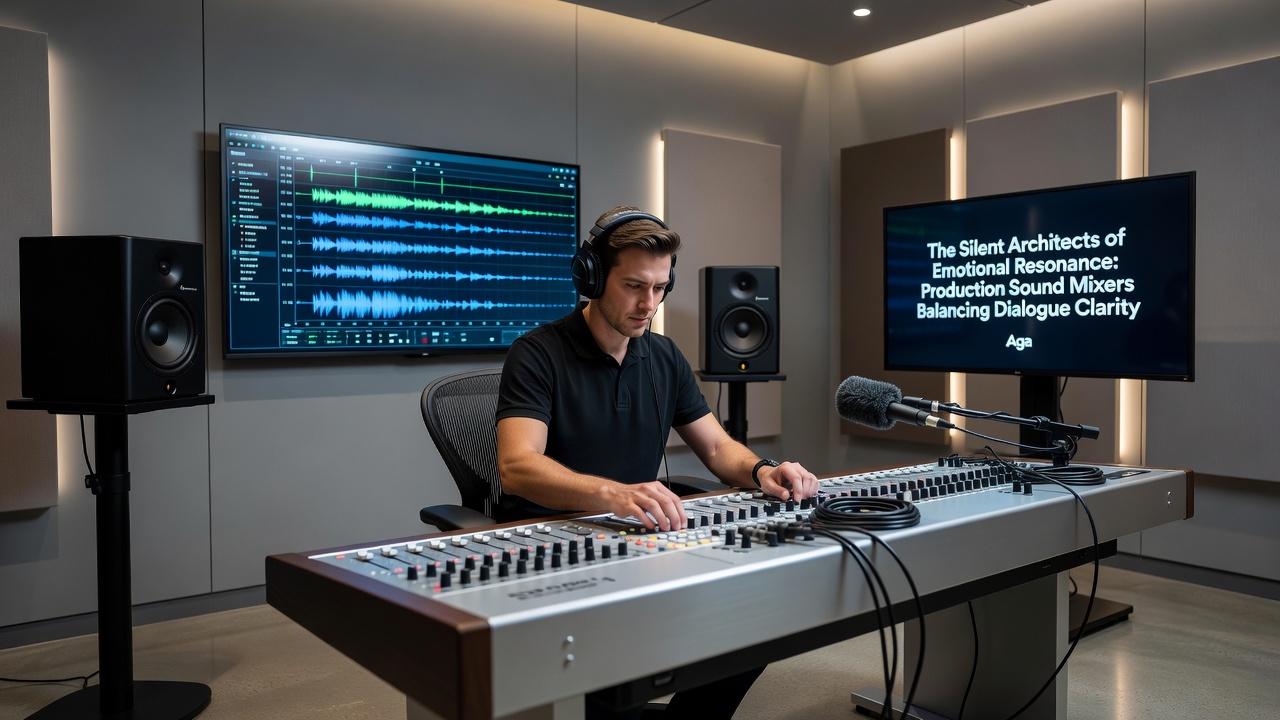
Balancing dialogue clarity against environmental layers required mixers to make split-second judgments on set, since 1970s technology offered limited options for isolating tracks after recording, and they often faced constraints from union regulations and budget limits that restricted multiple takes for audio alone. According to reports from the Society of Motion Picture and Television Engineers, equipment limitations meant that wind and handling noise frequently intruded on vocal tracks, prompting mixers to develop improvised solutions like custom windshields or strategic placement relative to reflective surfaces.
Those who've examined archived mixing logs from the period find that professionals adapted by emphasizing consonant sounds through slight equalization boosts during recording, while allowing background textures to occupy lower volume bands that supported rather than competed with speech. This method proved especially effective in character studies where silence or subtle noise conveyed psychological states more effectively than explicit lines, as directors sought authenticity over polished results.
Collaborative Dynamics on Set
Production sound mixers collaborated closely with cinematographers and assistant directors to align audio priorities with shot compositions, and they communicated adjustments via headsets to maintain continuity across takes that might span hours. Industry analyses reveal that these interactions helped integrate sound decisions into the overall storytelling process, where environmental layers contributed to world-building without drawing attention away from performances. Figures from production guilds indicate that many mixers transitioned from earlier radio or documentary work, bringing skills in live balancing that suited the improvisational styles prevalent in 1970s independent cinema.
What's significant is how these practices evolved alongside shifts in film distribution, with festivals and art houses showcasing titles that highlighted such audio craftsmanship, and academic examinations of the decade's output confirm the lasting influence on subsequent generations of sound professionals. External resources like those hosted by the American Film Institute provide further documentation on technical workflows from this time.
Legacy in Preservation and Study
Restoration efforts in later decades have revisited original production tracks from 1970s character studies, allowing modern analysts to appreciate the mixers' contributions to emotional resonance through unaltered environmental integration. Research from European film archives, including those affiliated with the British Film Institute, highlights how these techniques differed from studio-era norms and established precedents for location-driven sound design. Observers note that the constraints of the period fostered creative problem-solving that remains relevant in discussions of analog versus digital workflows today.
Conclusion
The contributions of production sound mixers during the 1970s extended beyond technical execution into narrative enhancement, where their decisions on dialogue and ambient balance supported the introspective qualities of character studies without relying on post-production augmentation. Evidence from production histories and technical records demonstrates that these professionals operated within specific technological and logistical parameters that shaped enduring examples of cinematic realism, and their methods continue to inform archival and educational approaches to film sound analysis.