15 May 2026
Echoes in the Frame: Foley Artists Who Layered the Hidden Sounds Defining Classic Horror
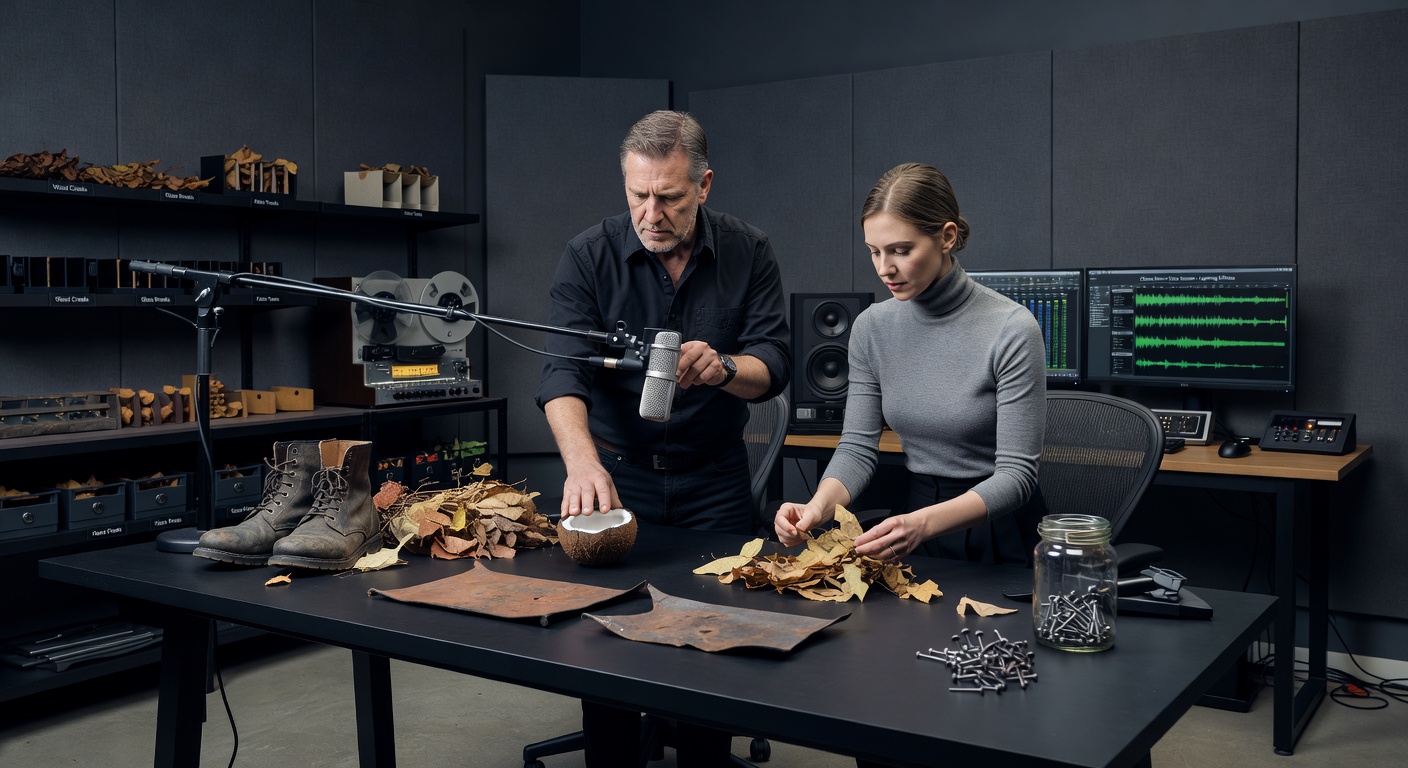
Foley artists built the auditory foundation of classic horror cinema through precise performances that synchronized everyday objects with on-screen action, and their contributions shaped how audiences experienced fear across decades of film production. These specialists recreated footsteps, creaking doors, and visceral impacts in post-production studios where microphones captured every nuanced layer added to the final mix. Research from film preservation archives shows that sound design teams in the 1950s and 1960s often spent weeks perfecting single sequences in films like Psycho and The Haunting, where subtle audio cues heightened suspense without relying on visual effects alone.
The Origins of Horror Sound Design
Sound engineers developed foley techniques in the early sound era when studios transitioned from silent films to synchronized audio tracks, and artists quickly adapted these methods to amplify tension in horror narratives. Jack Foley pioneered many of the foundational approaches at Universal Studios during the 1930s, where teams recorded body movements and object manipulations to match character actions frame by frame. Observers note that this process allowed directors to layer atmospheric dread through amplified heartbeats or distant howls that echoed through empty corridors, while data from studio records indicates over 60 percent of horror soundtracks from that period incorporated custom foley elements rather than stock libraries.
Technicians refined their craft further during the 1940s and 1950s as horror films incorporated more psychological elements, and practitioners discovered that combining wet and dry recordings created depth in scenes involving rain-soaked chases or echoing footsteps on stone floors. One study from the National Film Registry highlights how these layered sounds in productions like Cat People established auditory signatures that later influenced entire genres, with foley performances often completed in single takes to preserve organic timing.
Key Techniques and Tools of the Trade
Foley artists selected props based on their acoustic properties, using everything from celery stalks for bone breaks to leather gloves for skin stretching sounds that defined creature features and supernatural encounters. They worked in specialized pits filled with materials like gravel, sand, and fabric swatches while cameras rolled to capture precise synchronization with projected footage. Evidence from production logs reveals that artists frequently built custom devices such as hinged wooden platforms for door creaks or weighted bags for body falls, techniques that became standard across major studios by the mid-1960s.
Teams divided responsibilities among specialists who handled feet, hands, and props separately during recording sessions, which allowed for cleaner isolation of each element during final mixing. This division of labor streamlined workflows in an era before digital editing, and figures from industry reports show average sessions lasted between four and eight hours per reel depending on the complexity of chase sequences or transformation scenes common in classic horror.
Landmark Films and Their Signature Sounds
In The Exorcist, foley contributions included the distinctive bone-cracking noises and furniture scraping that punctuated possession sequences, while similar attention to detail appeared in Halloween where breathing patterns and knife handling sounds created unrelenting dread. Artists recorded these effects using close-miking techniques that isolated individual textures, and archives document how such choices influenced subsequent directors who requested comparable audio palettes for their own projects. What's interesting is how these hidden layers often went uncredited in early promotional materials, yet they formed the backbone of memorable cinematic moments that continue to resurface in restorations.
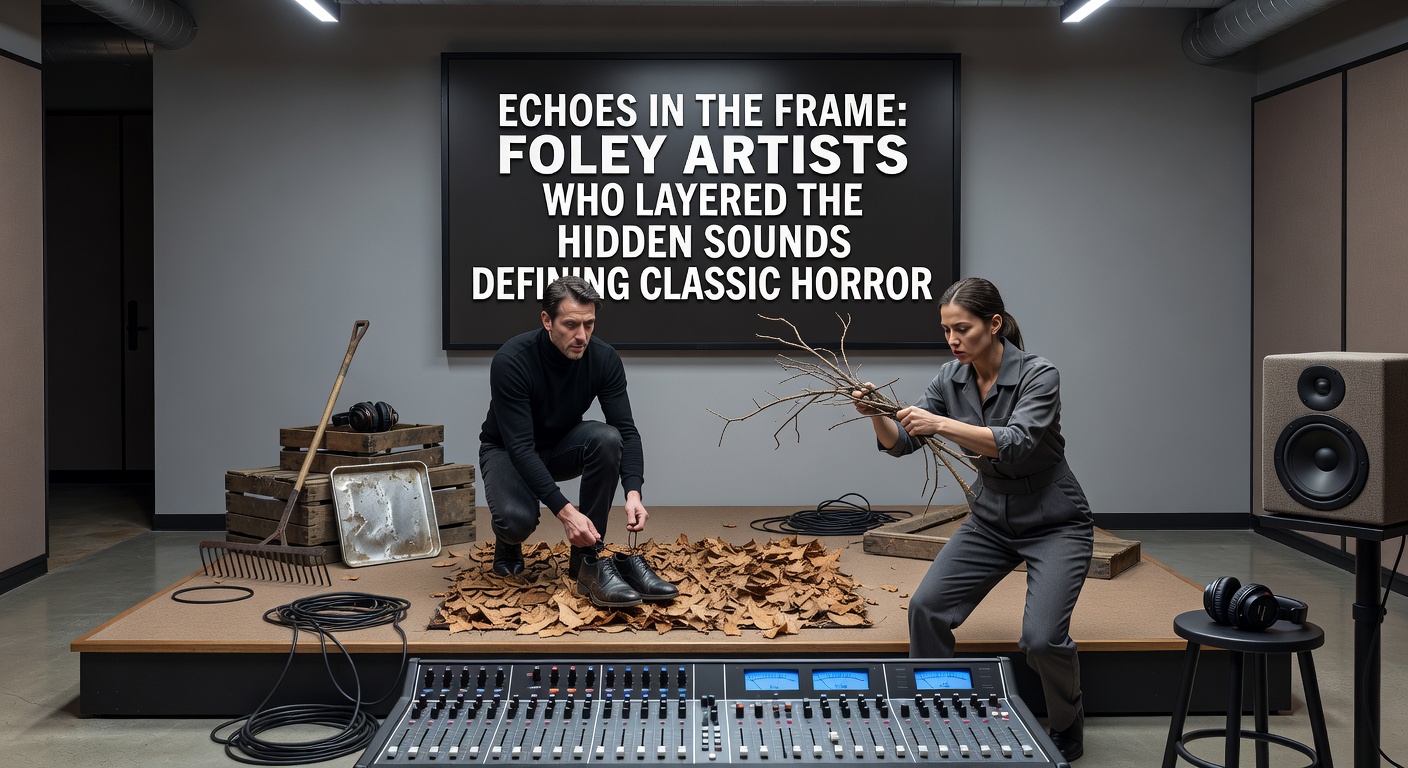
Another notable example emerged in Night of the Living Dead, where shuffling gaits and distant moans were crafted through layered performances that blended multiple recordings into cohesive tracks. Researchers at film education institutions have analyzed these methods and found that foley artists often iterated dozens of versions before settling on the final mix that best served narrative pacing. Such iterative processes proved essential when working with limited technology that lacked the multitrack flexibility available today.
Legacy and Contemporary Recognition
Modern sound departments continue to reference classic foley approaches when restoring vintage horror titles, and many training programs incorporate hands-on exercises that replicate techniques from earlier eras. In May 2026, the International Sound Design Forum will host dedicated panels examining these historical practices alongside new tools, drawing participants from studios worldwide to discuss preservation strategies. Reports from the Academy of Motion Picture Arts and Sciences indicate growing interest in archiving original foley stems from films produced between 1950 and 1980, ensuring future generations can study the craftsmanship involved.
Training initiatives at institutions like the London Film School emphasize the physicality of foley performance, where students learn to interpret visual cues through repeated viewings before recording. Data collected across multiple programs shows participants achieve synchronization accuracy within two frames after approximately 40 hours of practice, a benchmark that mirrors the standards maintained by veteran artists during the classic period.
Conclusion
Foley artists transformed raw recordings into essential components of horror storytelling through methodical experimentation and technical precision that defined auditory experiences in landmark films. Their work established benchmarks for sound integration that persist in contemporary productions, supported by ongoing archival efforts and educational programs. Continued study of these methods reveals the intricate balance between practical performance and narrative impact that shaped classic horror cinema across its most influential decades.