26 Jul 2026
Decades of Ensemble Dramas: How Hair Stylists Crafted Unforgettable Character Journeys
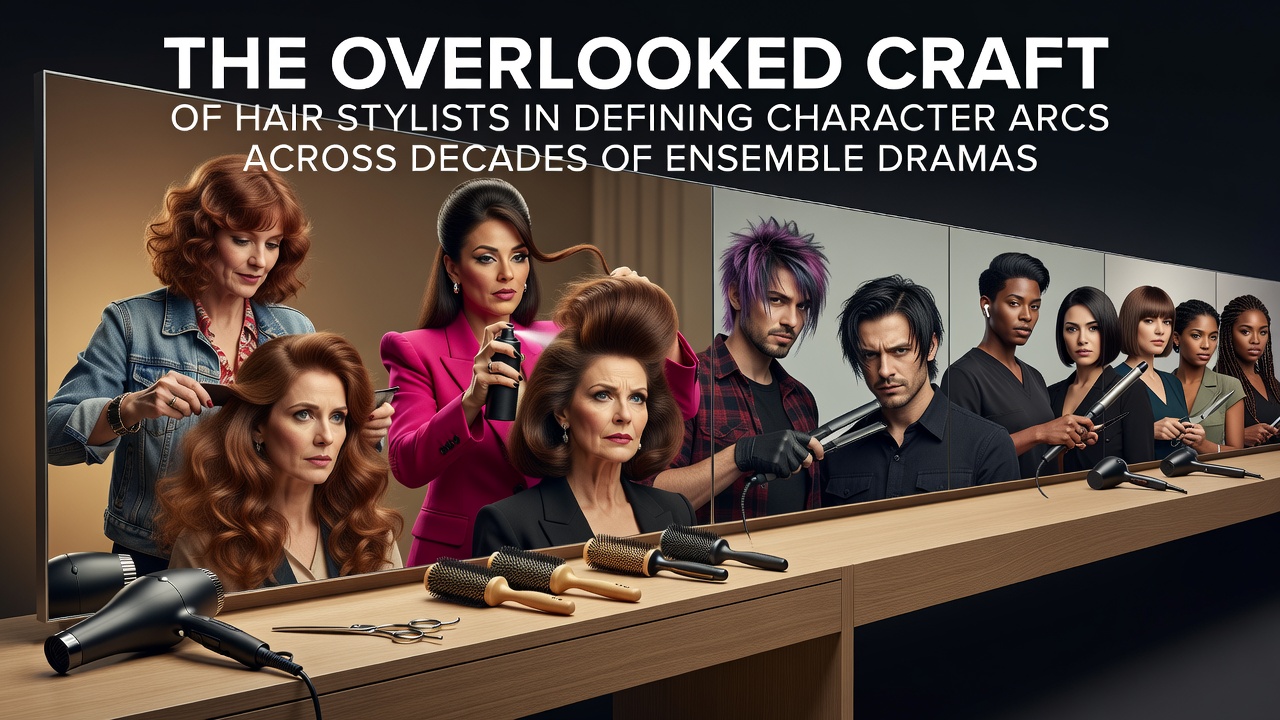
Ensemble dramas have relied on hair stylists to signal shifts in character arcs through precise changes in length, color, and texture that align with narrative progression across multiple seasons. These professionals work with directors and actors to ensure hairstyles reflect emotional states, social positions, and personal transformations without drawing attention away from dialogue and plot.
Early Foundations in 1980s and 1990s Series
Television productions such as Hill Street Blues and St. Elsewhere established patterns where hair teams coordinated with costume departments to mark character development over extended runs. Stylists documented each episode's look in continuity logs so that gradual alterations, like a detective's transition from neat crops to longer unkempt styles during stress arcs, remained consistent across broadcast schedules. Research from the American Film Institute shows these choices helped audiences track psychological changes without additional exposition.
Methods Employed by Hair Departments
Hair stylists employ techniques including strategic extensions, chemical treatments, and weekly maintenance routines that adapt to an actor's shooting calendar. In series spanning five or more seasons, teams often schedule progressive trims or color shifts timed to script milestones, such as a central figure adopting a new cut after a major life event. Data collected by the International Alliance of Theatrical Stage Employees indicates that hair departments on long-form dramas allocate up to 30 percent of their prep time to arc planning meetings with writers and showrunners.
Case Examples from Landmark Productions
Take one production team on Six Feet Under where stylists layered subtle gray streaks into characters' hair as storylines explored aging and family legacy across six years. Observers note similar approaches in The Wire, where hair texture and styling evolved alongside characters' movements through different social environments in Baltimore. Those who've studied production records find that these adjustments occurred in coordination with lighting and makeup departments to maintain visual coherence under various shooting conditions.
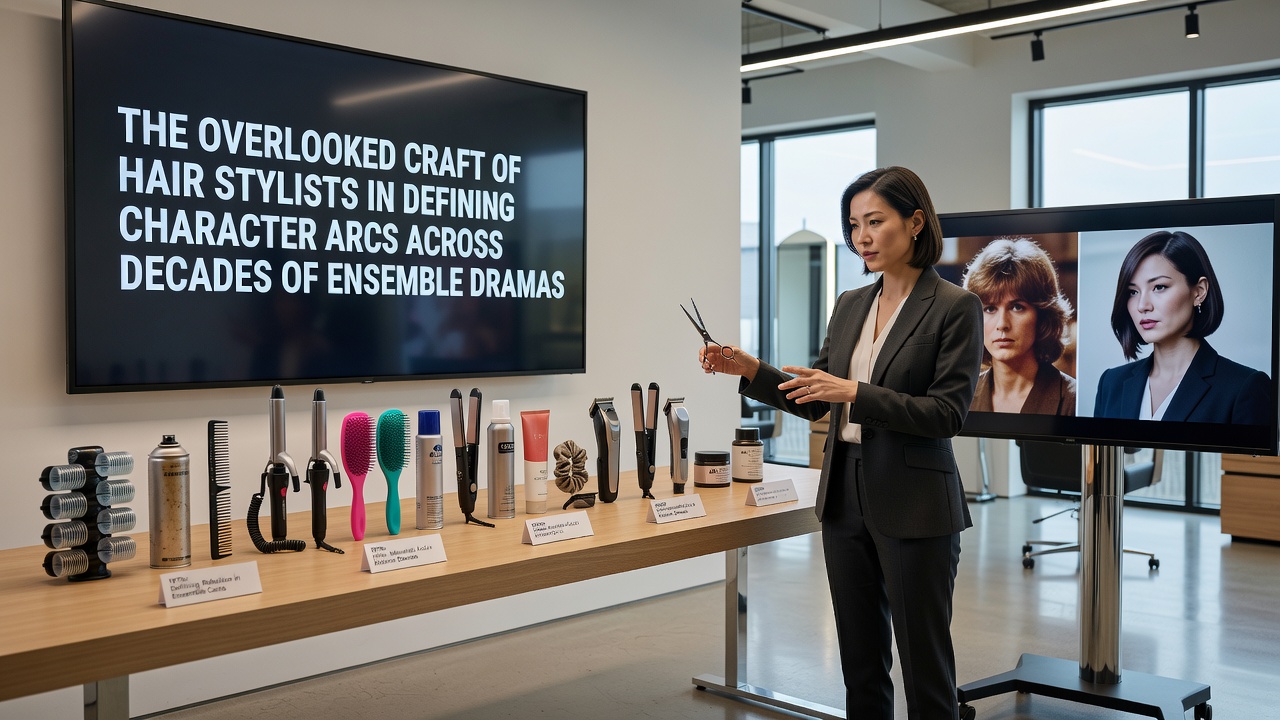
What's interesting appears in how these teams handle ensemble casts of ten or more principal actors. Each character receives a dedicated style bible updated per season, and stylists cross-reference these documents during group scenes to preserve individual arcs while ensuring group shots read as unified. Figures from the Australian Film, Television and Radio School reveal that such coordination reduces reshoots related to continuity errors by measurable margins in multi-camera setups.
Technical Challenges Across Formats
Shifts from film to digital capture introduced new variables for hair teams, since high-definition lenses captured finer details in texture and root growth. Stylists responded by refining application methods for color and extensions, often testing products under multiple lighting temperatures before principal photography began. In July 2026 the Television Academy plans a technical workshop series focused on archival hair design practices from the 2000s onward, drawing on preserved production notes from shows like Mad Men and Boardwalk Empire.
But here's the thing: maintaining these looks across international co-productions adds layers of complexity, as stylists must source equivalent products and train local crews to replicate signature styles when episodes film in multiple countries. Industry reports compiled by the European Audiovisual Observatory document how such cross-border coordination has become standard for series reaching global audiences.
Training and Skill Transmission
Apprenticeships within hair departments pass along knowledge of arc-mapping techniques from veteran stylists to newer members. Workshops hosted by unions emphasize documentation habits and collaboration protocols that keep character progressions intact even when cast members change or production pauses occur. Researchers at the University of Southern California have examined these practices through interviews with department heads, confirming their role in sustaining narrative consistency over decade-long runs.
Conclusion
Hair stylists continue to contribute measurable support to character development in ensemble dramas through documented methods and interdepartmental planning. Their work integrates with broader production workflows to deliver visual continuity that audiences experience across years of storytelling. As new series enter production, these established techniques remain central to how long-form narratives communicate change without relying solely on script or performance elements.