Cloth and Myth: Costume Designers Who Shaped Fantasy Cinema's Iconic Creatures
26 Apr 2026
Cloth and Myth: Costume Designers Who Shaped Fantasy Cinema's Iconic Creatures
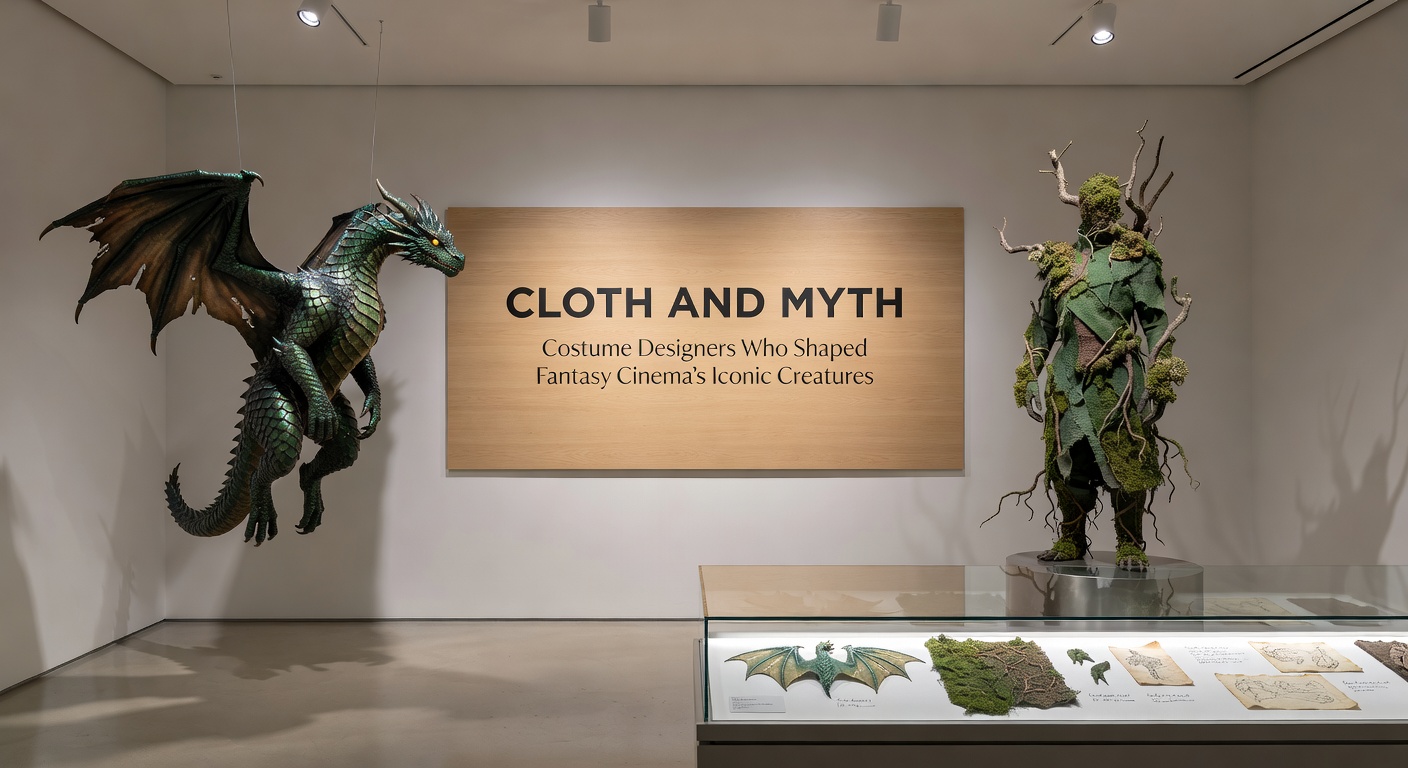
Fantasy cinema thrives on creatures that blur the line between nightmare and wonder; costume designers stitch together myth and materiality, transforming actors into snarling orcs, ethereal elves, or lumbering trolls through layers of latex, fur, chainmail, and scavenged junk that must withstand grueling shoots while fooling the eye up close. These artisans draw from folklore archives, paleontological sketches, and junkyard finds alike, crafting outfits that not only define a film's visual language but also enable performers to inhabit otherworldly forms for hours on end. What's interesting is how early experiments in the 1930s with rubber masks evolved into today's hyper-detailed suits, blending practical effects with digital tweaks; observers note that without these costumes, iconic beasts from goblins to dragonslayers' foes would lack the tactile menace that lingers in viewer memories.
Pioneers Who Dressed the Monsters of Early Fantasy
Back in Hollywood's golden age, designers like Adrian tackled fantastical elements in films such as The Wizard of Oz, where the Wicked Witch's flowing black gown and winged monkey outfits—crafted from synthetic fur and wire-framed capes—set a benchmark for creature menace through exaggerated silhouettes and bold contrasts that popped against Technicolor backdrops. But here's the thing: those monkey suits, sewn from monkey hair dyed black and reinforced with muslin, allowed dozens of little people to swing from wires without ripping seams, a feat that data from production logs reveals endured over 100 takes per sequence. Fast forward to Ray Harryhausen's stop-motion epics like Jason and the Argonauts, and costume teams under Bill Brake layered skeleton warriors in brittle plaster armor mimicking ancient Greek hoplites; researchers who analyzed surviving pieces at the British Film Institute highlight how these fragile designs influenced later practical effects, proving that even rigid costumes could convey eerie mobility when paired with animation.
And then there's the 1980s surge, when Jim Henson's Creature Shop redefined goblin hordes. Take Labyrinth, where costume designer Ellis Flynn collaborated with Henson's team to clothe Hoggle and the goblin army in patchwork leathers, bells, and foam-latex hides stitched from chicken wire bases; these outfits, weighing up to 40 pounds each, let puppeteers scamper across David Bowie's sets while bells jingled authentically during chases. Studies of workshop blueprints show designers scavenged medieval fair scraps for textures, creating a ragtag horde that felt plucked from folklore pages; people who've examined the originals in museum exhibits often point out the hidden zippers and ventilation slits that kept performers from overheating amid hours of frolic.
Ngila Dickson: Armoring Middle-earth's Hordes
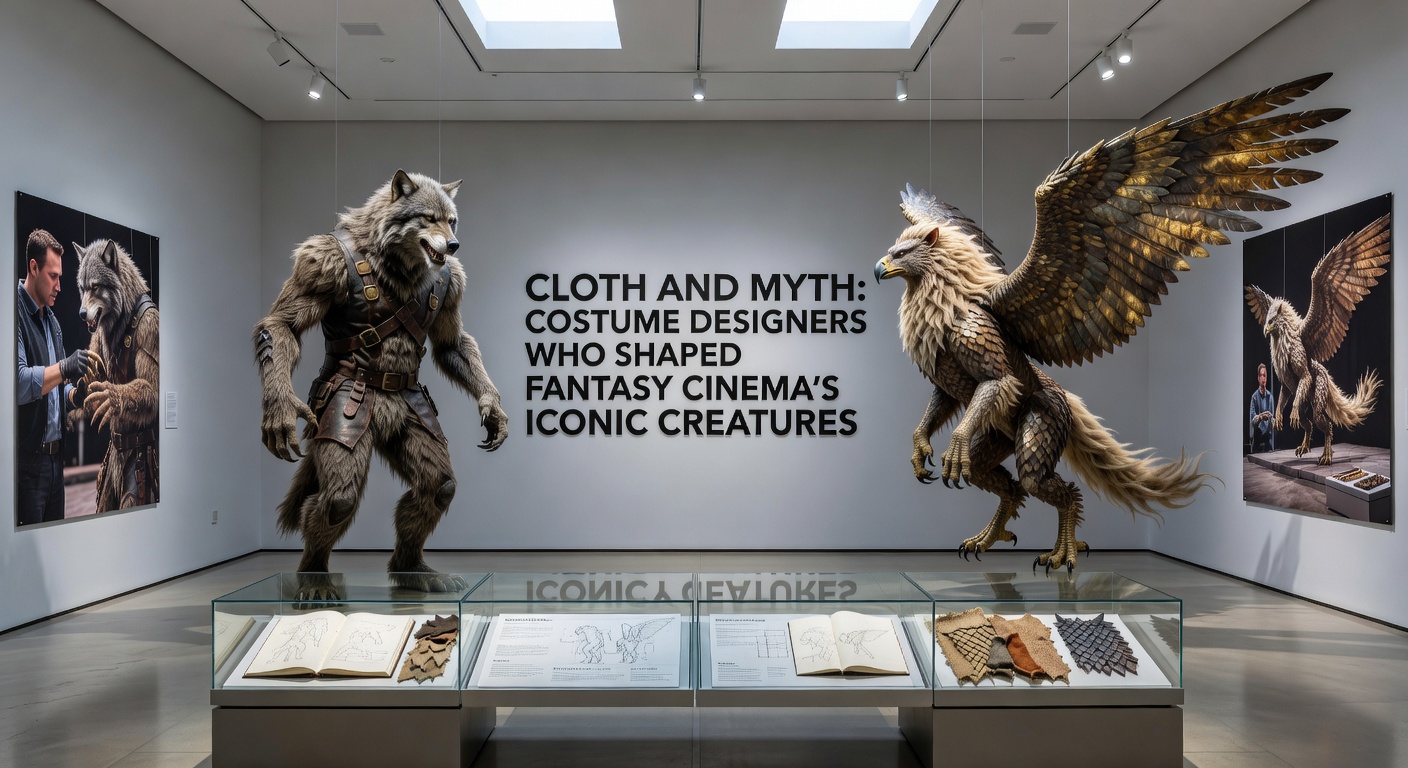
Ngila Dickson emerged as a powerhouse during Peter Jackson's Lord of the Rings trilogy, designing over 20,000 costumes that turned extras into Uruk-hai shock troops and Rohirrim riders; her orc armors, forged from hammered oil drums, rubber tires, and latex poured over foam molds, weathered with dirt and blood pigments to mimic battlefield grime after weeks of principal photography. According to records from the Costume Designers Guild, Dickson sourced chainmail from Eastern European forges—some links hand-welded for authenticity—while elf garments blended silk chiffons dyed in iridescent hues with embroidered Lothlórien leaves drawn from Tolkien's sketches. Turns out, these suits endured New Zealand's mud-soaked shoots; one Uruk-hai design, complete with jagged pauldrons and spiked greaves, required 300 units, each fitted individually to stunt performers who charged into flame pits without a single tear reported in production notes.
Experts who've dissected her process note how Dickson layered prosthetics directly onto costumes, ensuring seamless transitions from skin to scale; for the oliphaunts' riders, she crafted harnesses from leather straps mimicking war elephant tack, blending historical Assyrian reliefs with fantasy flair. That said, her work extended to subtler creatures like the Fellowship's hobbit cloaks—woolens hand-knitted in earthy tones that provided camouflage in Shire scenes—proving that creature design spans from monstrous to mythical in equal measure. Figures from the trilogy's wardrobe department reveal over 48,000 boots alone were produced, many customized for clawed troll feet using EVA foam carved to flex with actors' strides.
Guillermo del Toro's Visionaries: Fauns and Pale Men in Fabric
Guillermo del Toro partners with designers who push creature couture into nightmarish elegance, as seen in Pan's Labyrinth where Alberto Rodríguez outfitted the Faun with moss-draped hooves, antlered masks, and tattered robes woven from hand-spun wool mimicking Spanish folklore tapestries; these elements, distressed with ash and resin, allowed Doug Jones to glide through moonlit sets while the Pale Man's elongated limbs emerged from silk-lined sleeves that whispered during pursuits. Researchers examining del Toro's archives describe how Rodríguez referenced 18th-century etchings of Iberian devils, integrating bone-like corsets molded from thermoplastic for the Faun's torso that supported prosthetic spines without restricting breath.
But here's where it gets interesting: in Hell's Boy II: The Golden Army, Guy Duarte expanded on del Toro's palette with troll market denizens clad in bioluminescent scales sewn from glow-in-the-dark vinyl and fur pelts airbrushed in azure gradients; one standout, the Angel of Death's feathered shroud—crafted from ostrich plumes dyed obsidian—fluttered realistically in zero-gravity rigs, a detail production stills capture mid-flight. Those who've studied these costumes at film festivals observe the modular construction; pieces snapped together with magnets, letting actors swap forms between takes, while embedded LED threads simulated ethereal glows long before widespread CGI integration.
Modern Innovators and Hybrid Techniques
Today's designers fuse tradition with tech, like Weta Workshop's Richard Taylor—who straddles costumes and prosthetics—for The Hobbit, where his team armored Azog the Defiler in porcelain-cracked latex skin over articulated metal skeletons, drawing from Maori bone carvings for tribal menace; data from workshop logs indicates 1,200 hours went into prototyping stone troll hides from silicone poured into 3D-printed molds textured like glacial ice. And in The Witcher Netflix adaptation, Tim Aslam dressed strigas and drowners in kelp-wrapped leathers and fish-scale mail forged from anodized aluminum discs, enabling sword fights that shredded lesser fabrics but held firm through rain machines.
Now, as April 2026 approaches, retrospectives gain steam; the Academy of Motion Picture Arts and Sciences plans a pop-up exhibit in Los Angeles showcasing Dickson's orc gauntlets alongside del Toro's Faun hooves, timed with the release of a new fantasy epic from del Toro himself—rumored to feature clockwork beasts in velvet-and-gear ensembles that nod to steampunk myths. Observers in the field predict these displays will highlight sustainable shifts too, with designers like those at Weta experimenting with bio-fabrics from mushroom mycelium for dragon wing membranes that biodegrade post-shoot.
Yet challenges persist; performers in full creature garb battle sweat and seams, so innovations like moisture-wicking liners and flexible graphene weaves—tested in recent blockbusters—keep the magic alive without hospital trips. One case stands out: during Godzilla vs. Kong reshoots, supplemental creature handlers in scaled suits relied on perforated neoprene bases that vented heat, allowing 12-hour days under studio lights.
Legacy of Threads That Breathe Life into Legends
Costume designers for fantasy creatures leave indelible marks by turning sketches into ambulatory myths; from Henson's goblins jingling through mazes to Dickson's orc legions storming Helm's Deep, their work endures in fan cosplays, museum cases, and reboots that riff on original textures. Data across decades shows these suits not only win Oscars—Dickson shared one in 2004—but spark careers, with apprentices from her workshops now helming Marvel's Asgardians. The reality is, as digital doubles rise, practical costumes retain a primal edge; audiences feel the heft, hear the rustle, sense the sweat-soaked struggle that CGI can't replicate. So while tech evolves, those tattered hides and gleaming scales remain the heart of fantasy's wildest beasts, stitching myth into cinema's fabric for generations to come.