31 May 2026
Beyond the Script: The Narrative Contributions of Animal Trainers in Adventure Epics
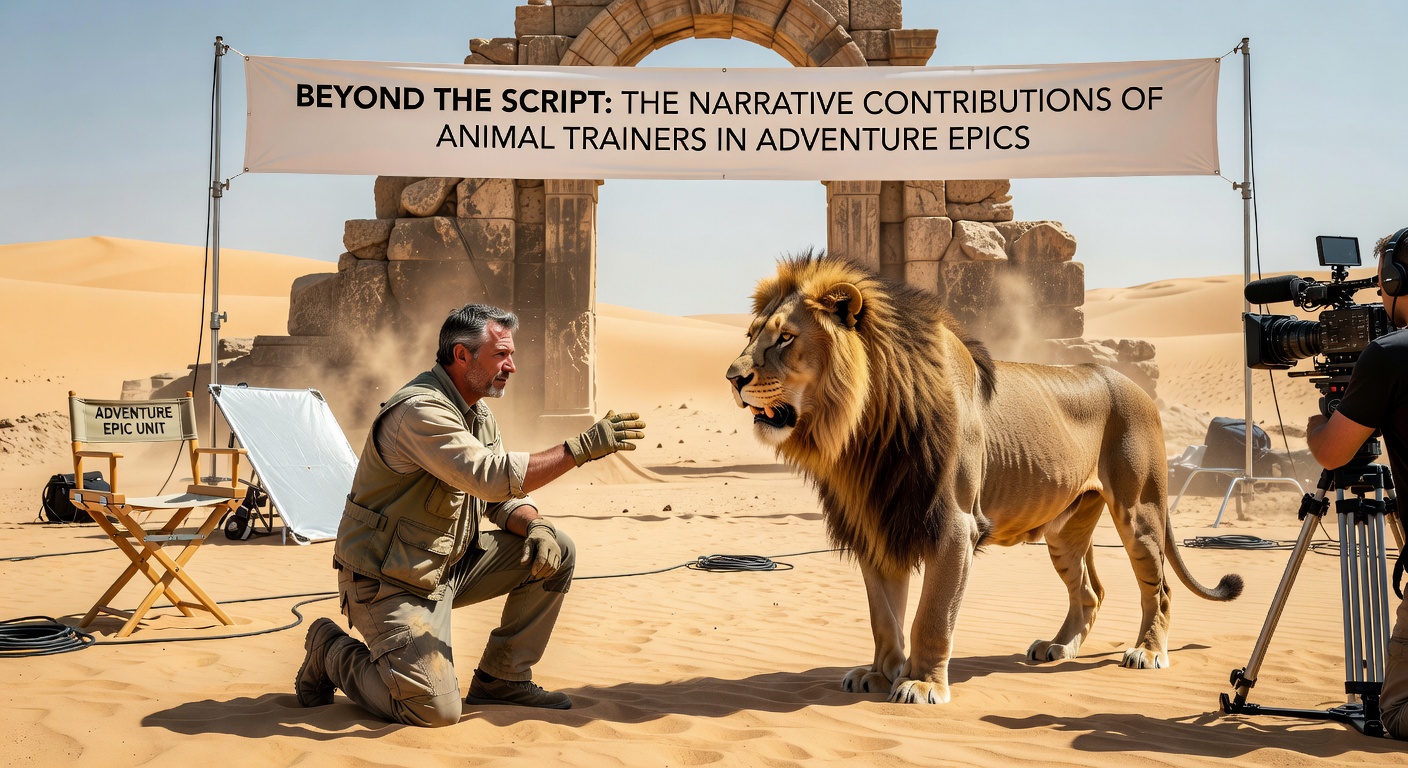
Animal trainers shape narrative arcs in adventure epics by teaching creatures to deliver reactions that heighten tension, reveal character motivations, and propel plot points forward, and this work extends far beyond basic obedience into collaborative storytelling with directors and writers. Observers note that trainers study scripts to identify moments where an animal's natural response can underscore themes of loyalty or danger, such as a horse's hesitation that signals hidden peril in a jungle chase sequence.
Training Methods That Serve Story Beats
Trainers employ positive reinforcement schedules combined with environmental cues to elicit specific behaviors at exact timings during shoots, and these techniques allow animals to integrate seamlessly into scenes without disrupting the flow of dialogue or action. Research from film production studies indicates that sessions often last several weeks before principal photography begins, during which animals learn to associate sounds or props with emotional states that mirror the script's requirements. Those who've documented sets across multiple decades find that a well-timed growl from a trained wolf can escalate conflict between protagonists and antagonists in ways written lines alone cannot achieve.
But here's the thing: coordination with camera operators and stunt coordinators becomes essential because trainers adjust animal positioning mid-take based on lighting shifts or terrain changes, and this adaptability preserves the authenticity of adventure sequences set in remote locations. Data from industry reports shows increased use of such integrated rehearsals since the early 2000s, particularly in productions involving large casts of both human and animal performers.
Case Examples from Major Productions
In films featuring extensive wilderness travel, trainers have guided packs of dogs to form protective formations around lead characters during simulated storms, and these formations directly support scenes of survival and camaraderie. One production involving river crossings relied on trainers to teach elephants subtle trunk movements that conveyed hesitation, thereby amplifying the risk felt by accompanying explorers. Experts at organizations focused on wildlife in media, such as those affiliated with Australian film bodies, have tracked how these contributions reduce reliance on digital enhancements while maintaining narrative momentum.
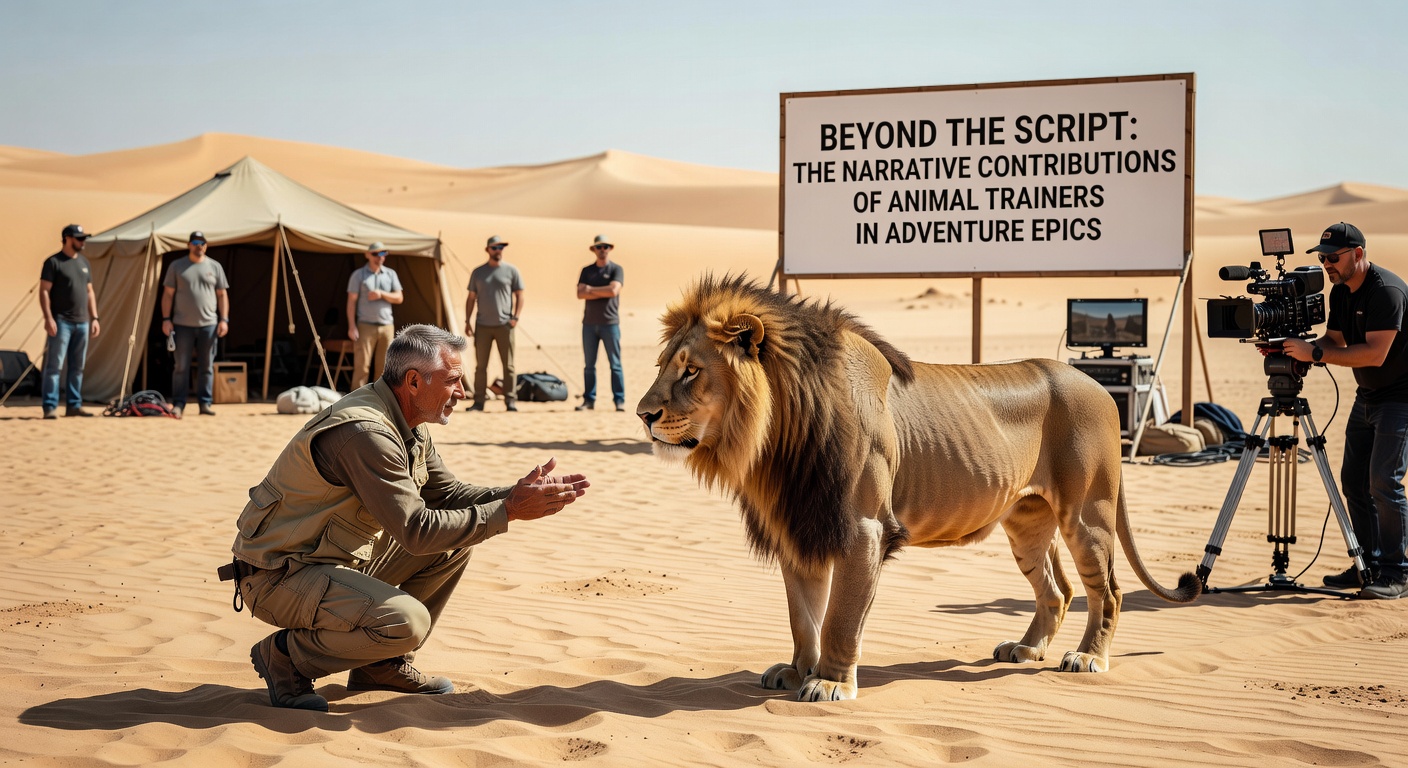
What's interesting here is the way trainers anticipate script revisions on set, and they modify cues accordingly so that an animal's performance remains consistent even when directors extend chase durations or alter dialogue. Figures from production logs reveal that such flexibility has prevented reshoots in several high-budget epics released between 2015 and 2024, saving both time and resources while keeping emotional beats intact.
Regulatory Frameworks and Industry Standards
Production teams adhere to guidelines established by groups like the Canadian Animal Welfare in Film Initiative, which outlines protocols for monitoring animal stress during extended adventure shoots involving water or heights, and compliance ensures that narrative demands do not compromise welfare. Trainers document every session with video records that production companies submit for review, creating a chain of accountability that influences how future scripts incorporate animal roles. According to reports issued by European cinema research centers, these standards have evolved to include pre-production assessments where trainers evaluate whether a scripted action aligns with an animal's natural capabilities.
Yet the integration process continues to adapt, and trainers now collaborate with writers during early drafts to suggest alternative behaviors that enhance rather than merely illustrate plot developments. This input has led to revised scenes in multiple epics where animal reactions drive key revelations, such as a bird's flight pattern revealing an escape route previously unknown to human characters.
Conclusion
Animal trainers contribute measurable narrative value through precise behavioral conditioning that aligns with adventure epic structures, and their involvement spans pre-production planning through final edits. Industry data continues to highlight these roles in sustaining audience engagement across global releases, with ongoing developments in training protocols supporting even more complex story integrations in upcoming projects.